25.08.2026
8 Landmarks
of U.S. Independence


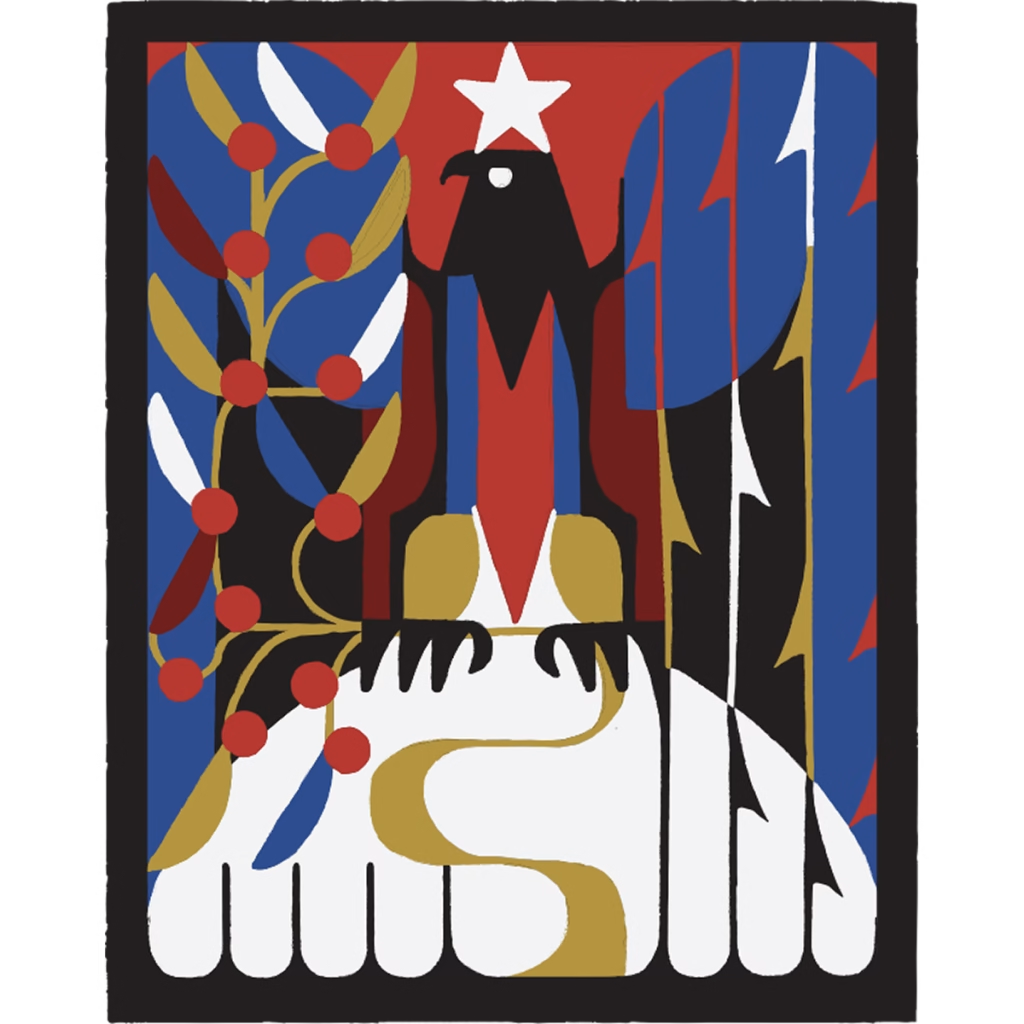
When Congress needed an official seal for the new nation, the bald eagle took center stage. The original proposal showed a small white eagle, but Charles Thomson recommended a bald eagle, a species native to North America, clasping an olive branch and arrows. Congress adopted the design in 1782. As NPR explains, the eagle wasn’t officially named the national bird until 2024.
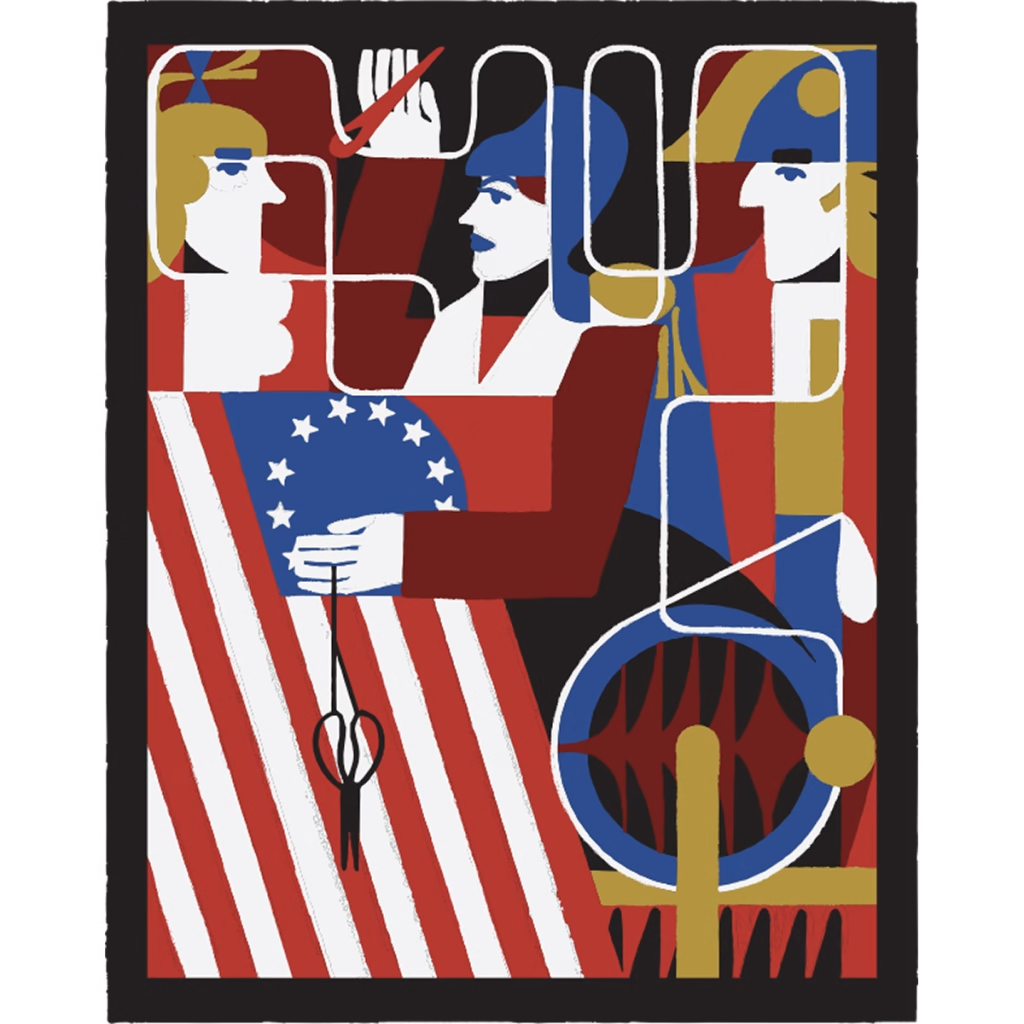
On June 14, 1777, the Continental Congress resolved that the flag of the thirteen united States be 13 stripes alternating red and white, with 13 white stars in a blue field representing a new constellation. Every stripe and star stood for one of the original states, many becoming one. The circle-of-stars version is often linked to Philadelphia flag maker Betsy Ross, and June 14 is still celebrated as Flag Day.
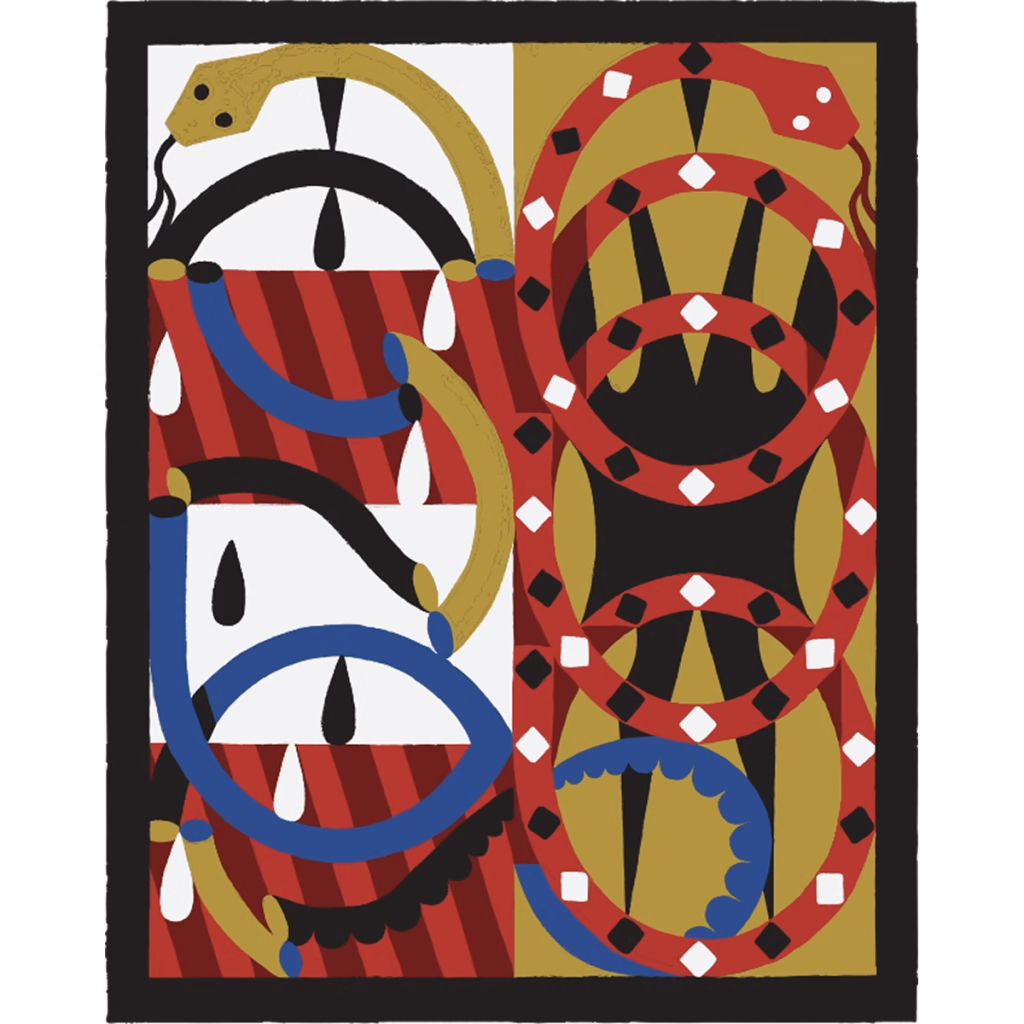
Franklin’s woodcut showed a snake cut into pieces, each one a colony. It ran in his Pennsylvania Gazette in May 1754, a month before the Albany Congress met to plan a defensive union of the colonies. By the Revolution, the snake was whole and ready to strike. Christopher Gadsden’s coiled rattlesnake flag was unfurled on Commodore Esek Hopkins’ flagship in December 1775, according to the history of the Gadsden flag.
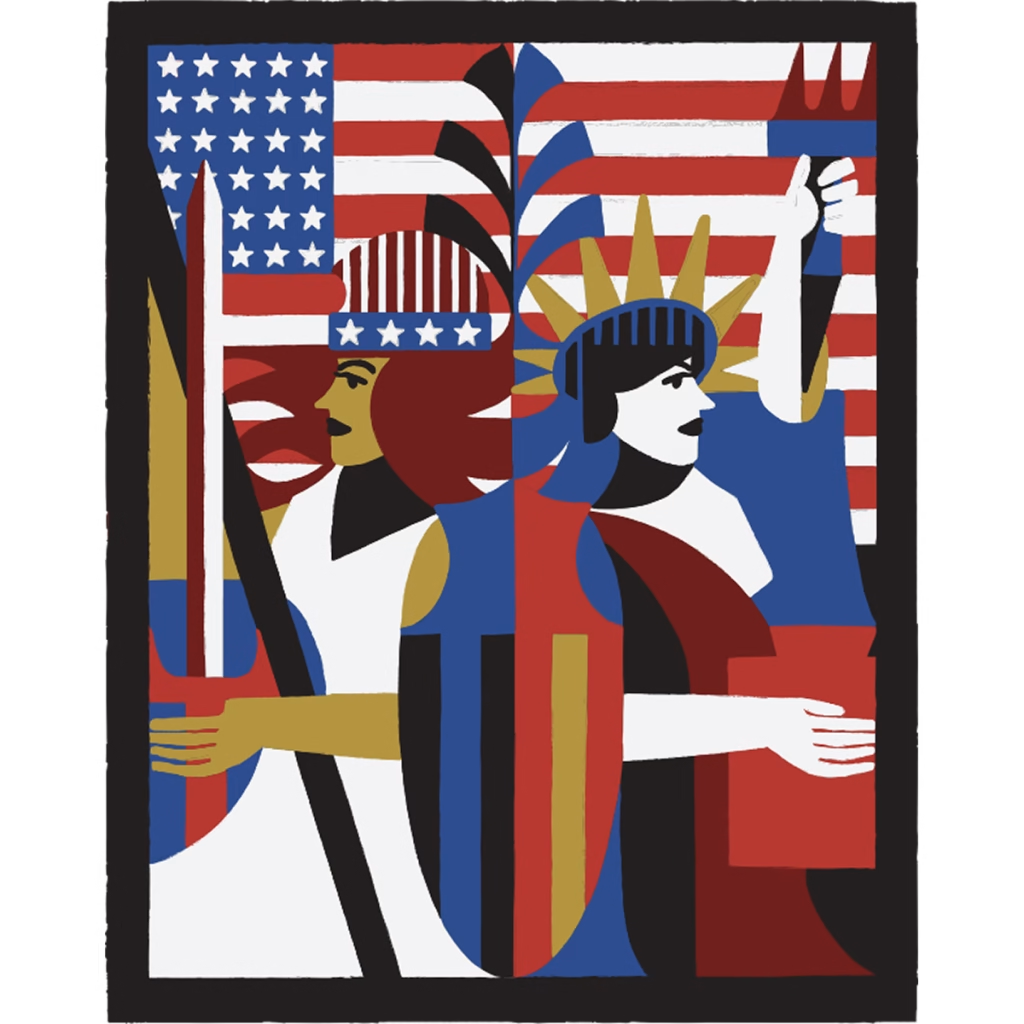
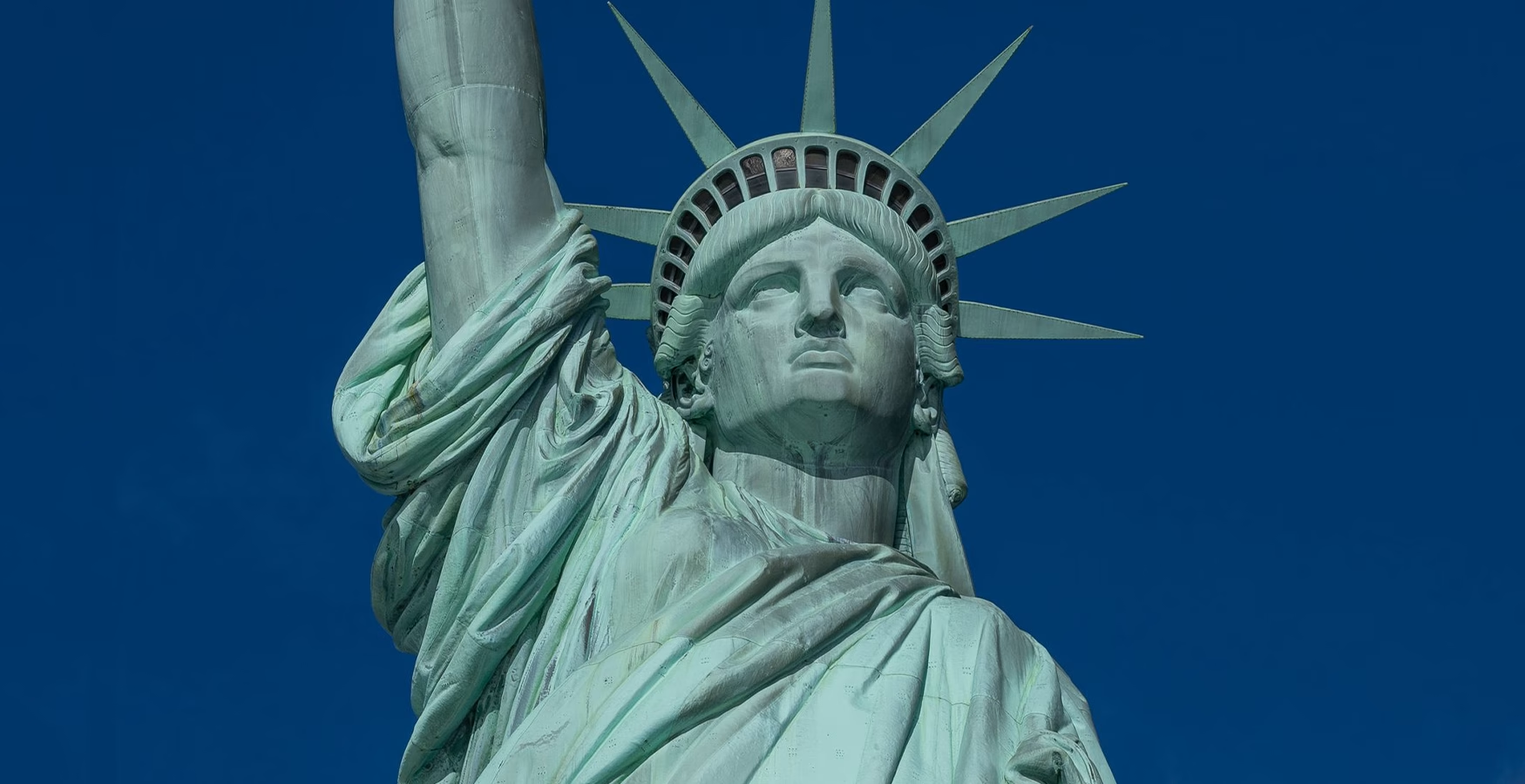
America has long been pictured as a woman. The first was Columbia: Phillis Wheatley, writing to George Washington in 1775, described a “free and independent Columbia” in her poem, as noted by Mount Vernon. Lady Liberty followed with the Statue of Liberty, a gift of friendship from the people of France, dedicated on October 28, 1886.
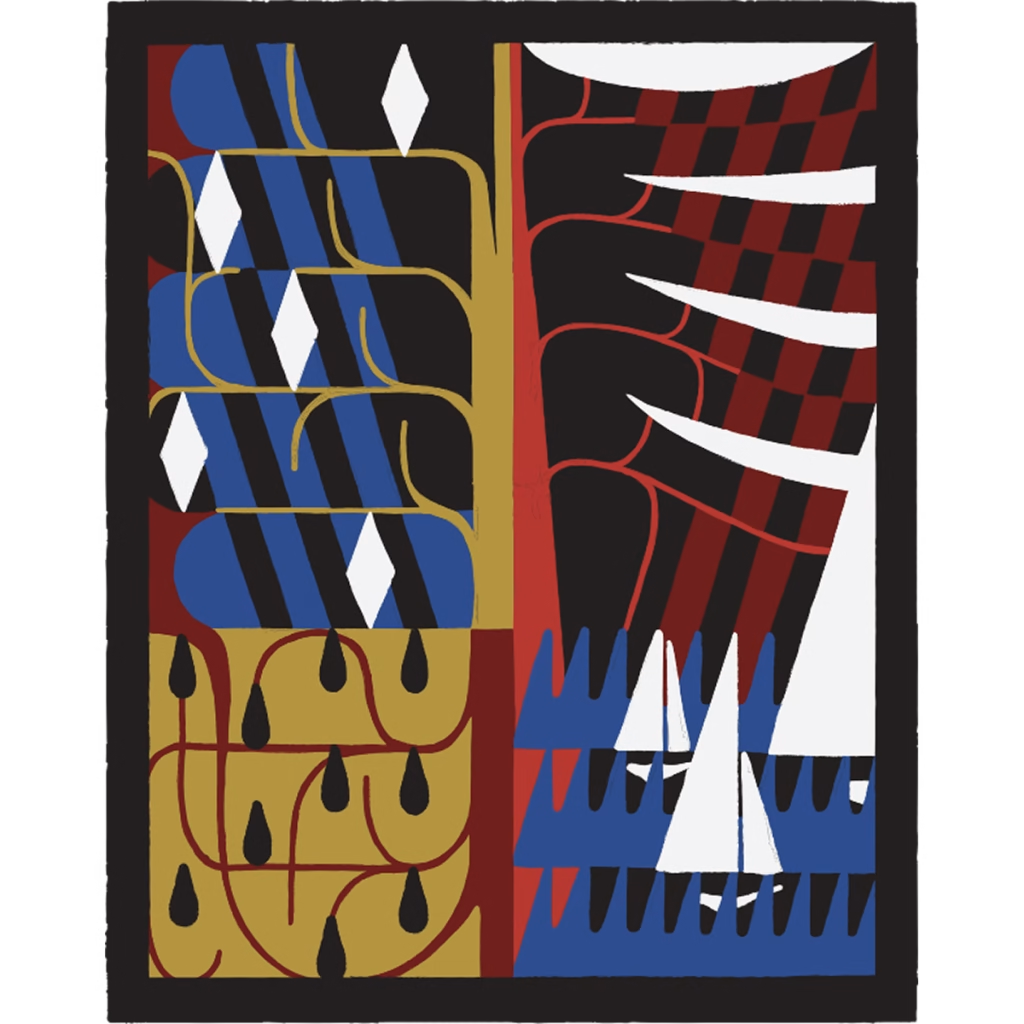
The Liberty Tree was a real elm in Boston, where the Sons of Liberty met to protest British taxation, and where lanterns were hung to celebrate the Stamp Act’s repeal, per the American Battlefield Trust. The Pine Tree was a flag. New England’s tall pines stood for wealth and power, partly because they were so important to the Royal Navy, and Washington had colonial ships fly a pine tree flag reading “An Appeal to Heaven,” according to the National Park Service.
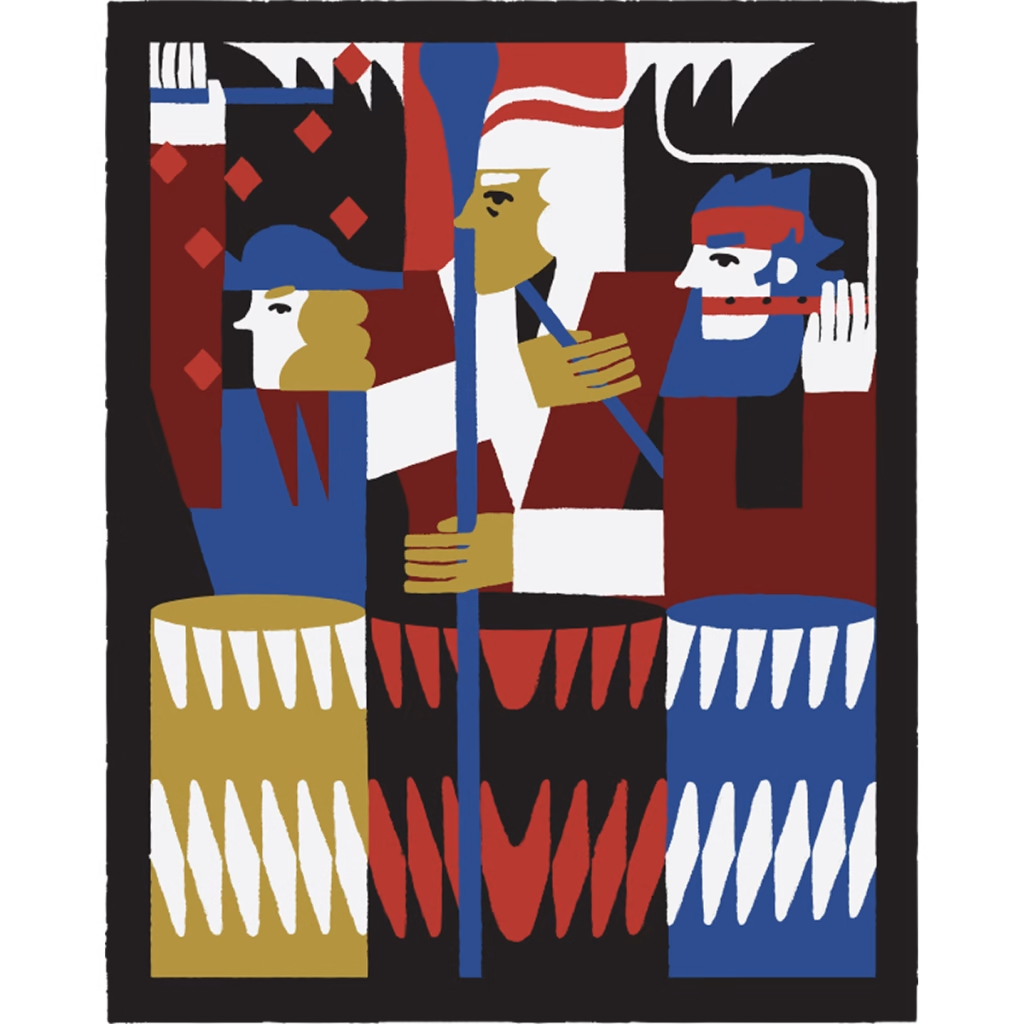
Before radios, an army spoke through music. Colonial Williamsburg explains that “duty calls” marked the rhythms of camp life, and the fife and drum were chosen because their sound carried over long distances and through the noise of combat. Archibald Willard’s painting of two drummers and a fife player marching through a Revolutionary battle later made the trio a lasting image of the era, per Ohio History Connection.
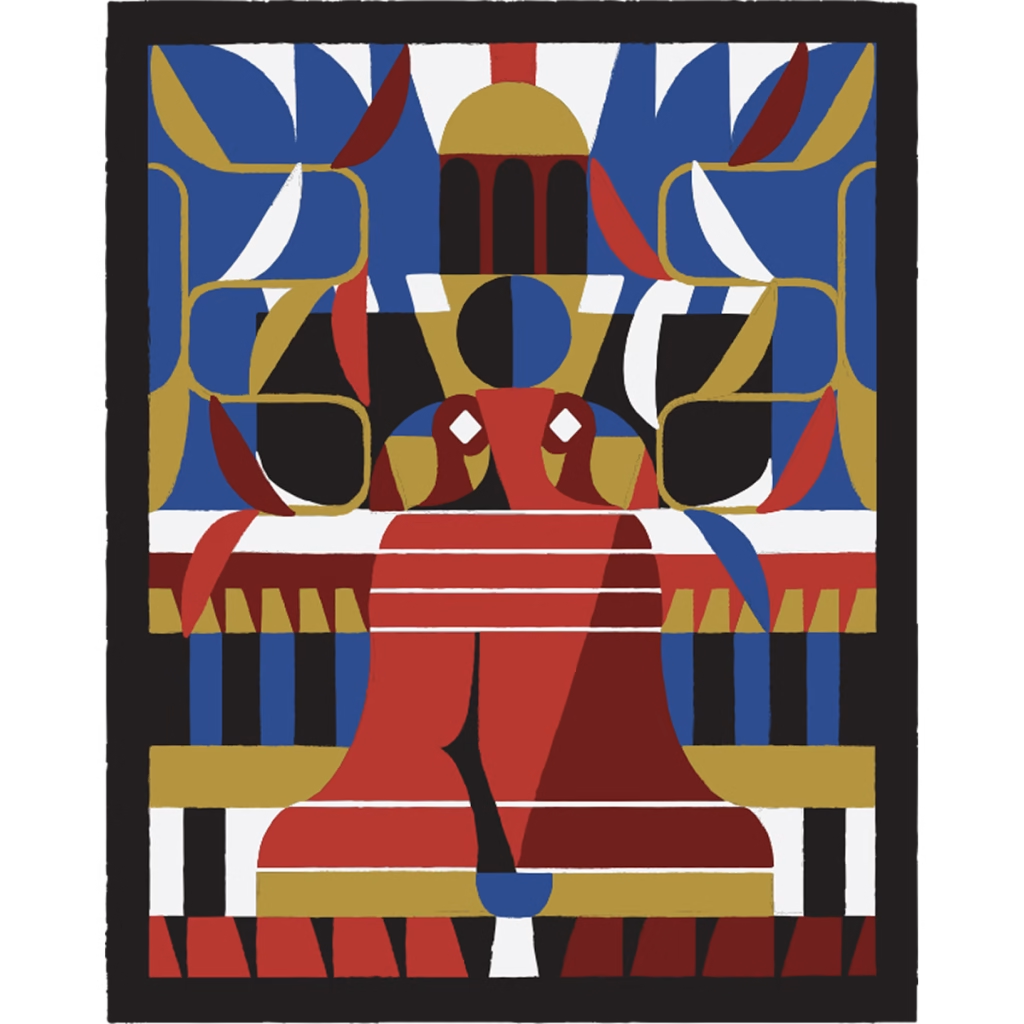
The Liberty Bell carries a line from Leviticus: “Proclaim Liberty Throughout All the Land Unto All the Inhabitants thereof.” The National Park Service notes that abolitionists, women’s suffrage advocates, and civil rights leaders all drew inspiration from it. Its famous crack came from a repair gone wrong, when metal workers widened a thin crack in 1846 to keep it from spreading. The bell hasn’t rung since.
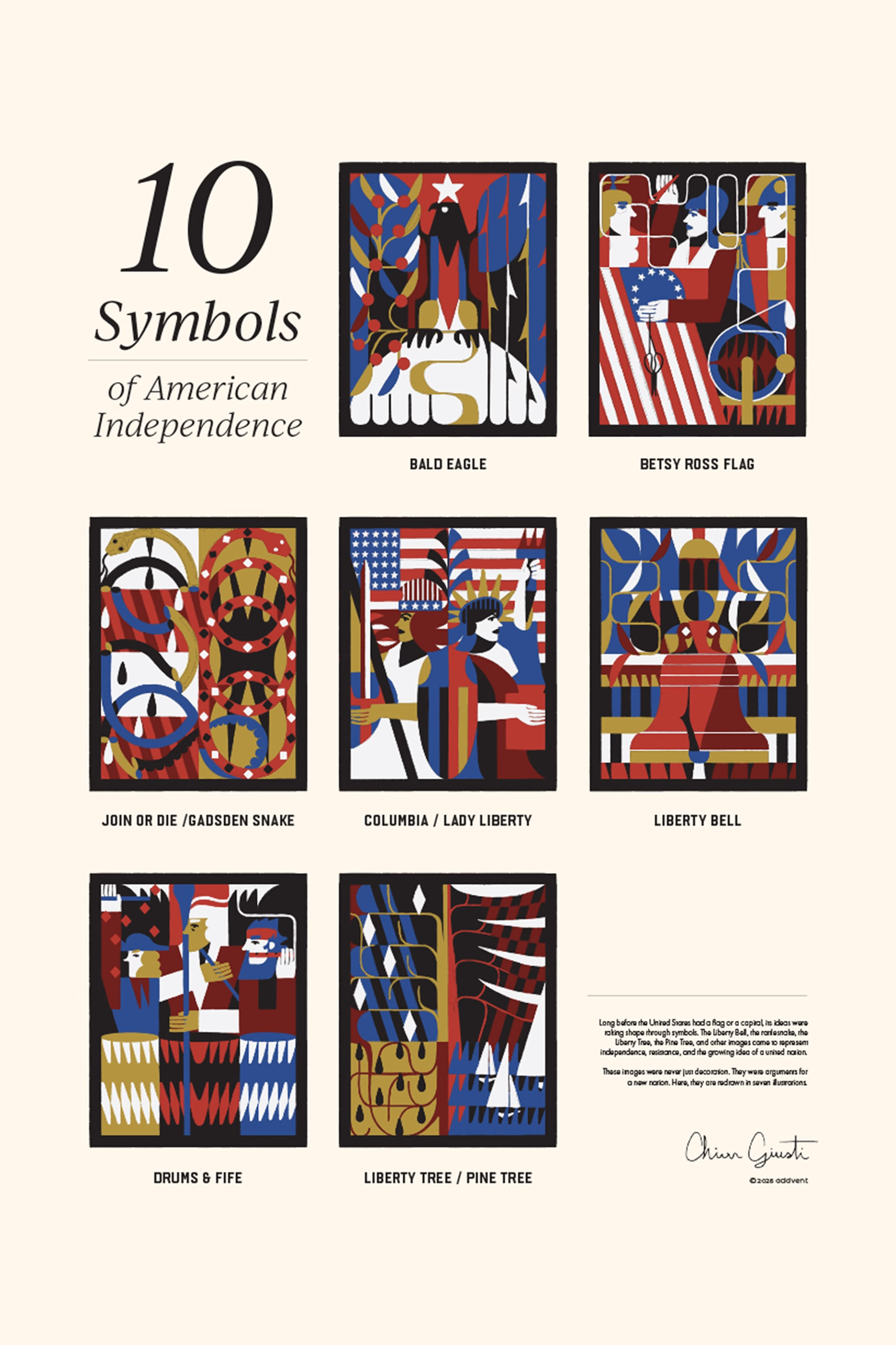
This collection of illustrations takes America’s founding symbols and fuses them into single, bold compositions. Liberty and Columbia share one split figure, crown and torch on one side, star-banded cap and sword on the other. Franklin’s segmented snake coils beside Gadsden’s diamond-patterned rattlesnake, and the Liberty Tree’s lantern-hung branches stand opposite a pine reaching out over sailing ships. Which symbol tells the story of independence best for you?

READY TO EXPLORE?
Discover all 10 symbols of independence, check each one off your list, and celebrate with a Symbols of Independence poster of your own.
These American history prints make meaningful gifts for history teachers, Revolutionary War buffs, flag collectors, and anyone who loves a good Fourth of July.