20.10.2026
6 Folk Tales
of the Brothers Grimm



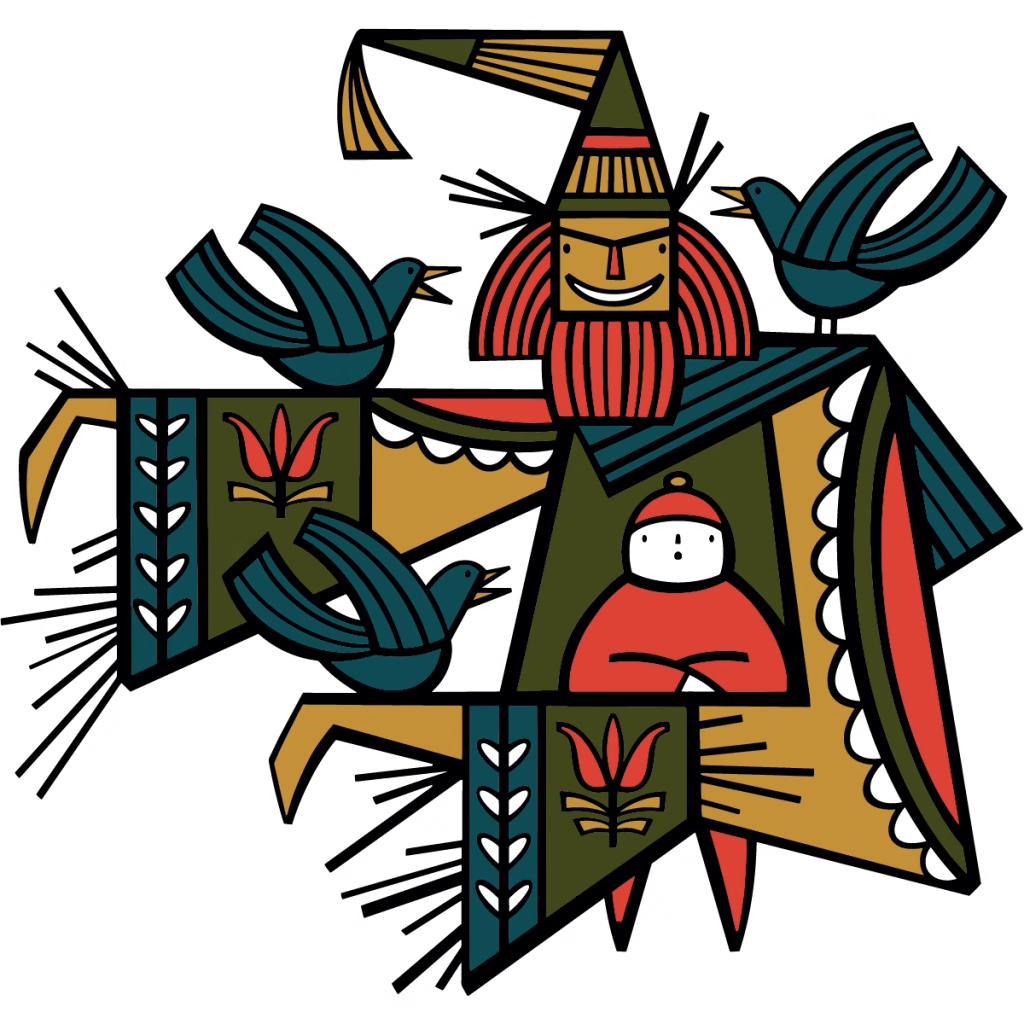
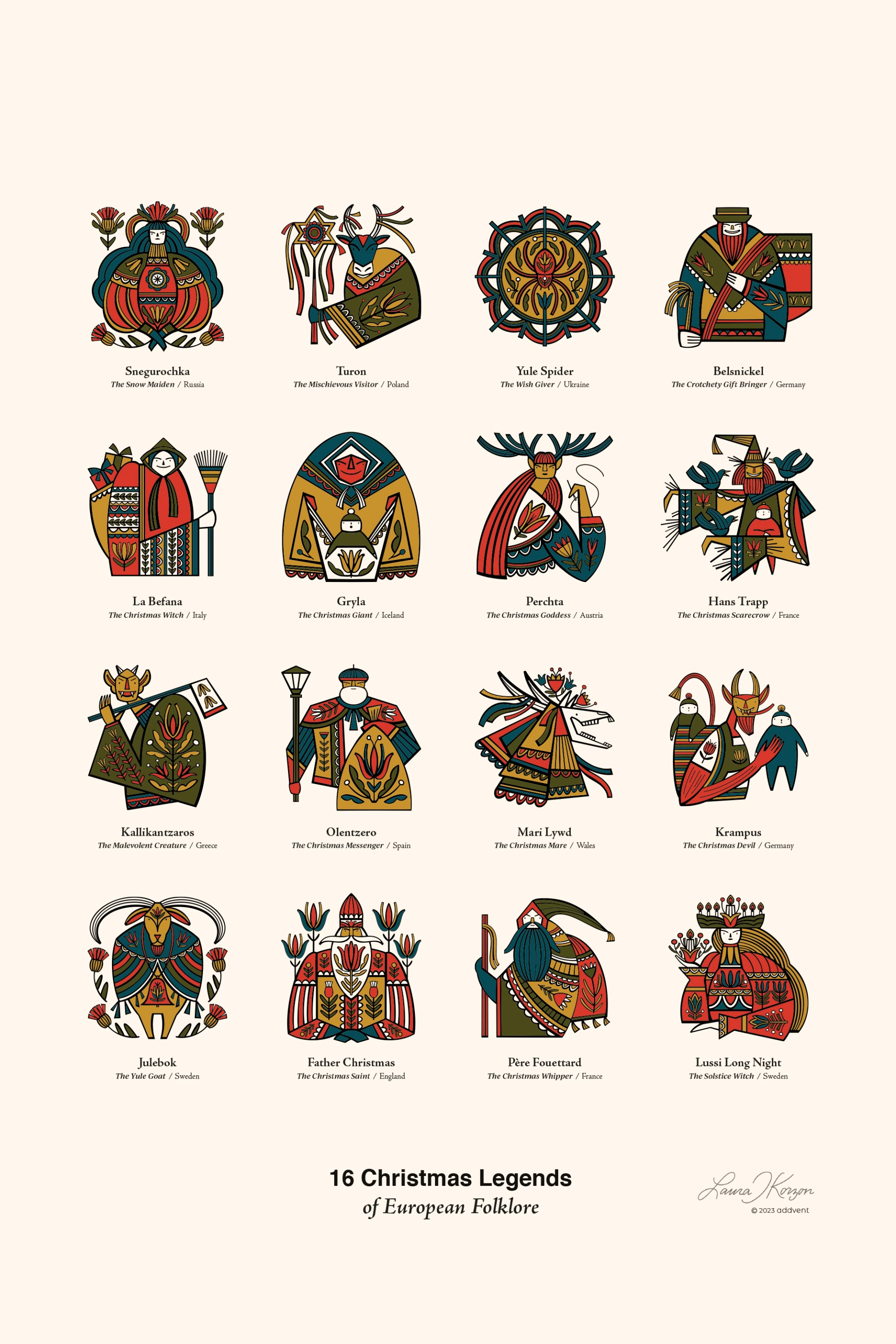
Hans Trapp comes from the Alsace region along the French-German border, where he is remembered as a wealthy, cruel nobleman banished for his misdeeds and said to have been struck down by lightning while disguised as a scarecrow. In local tradition he now travels with St. Nicholas, dressed in straw and rags, warning children to behave before gifts are given.
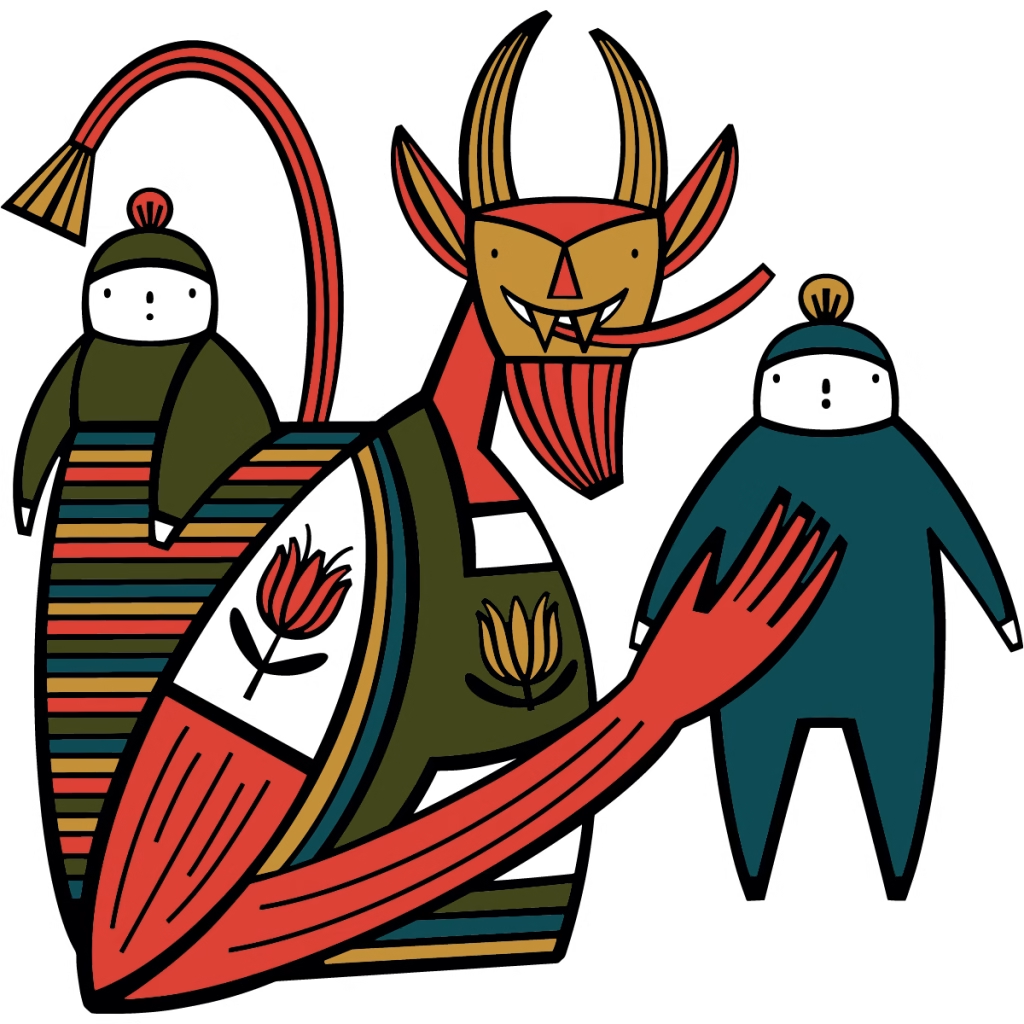
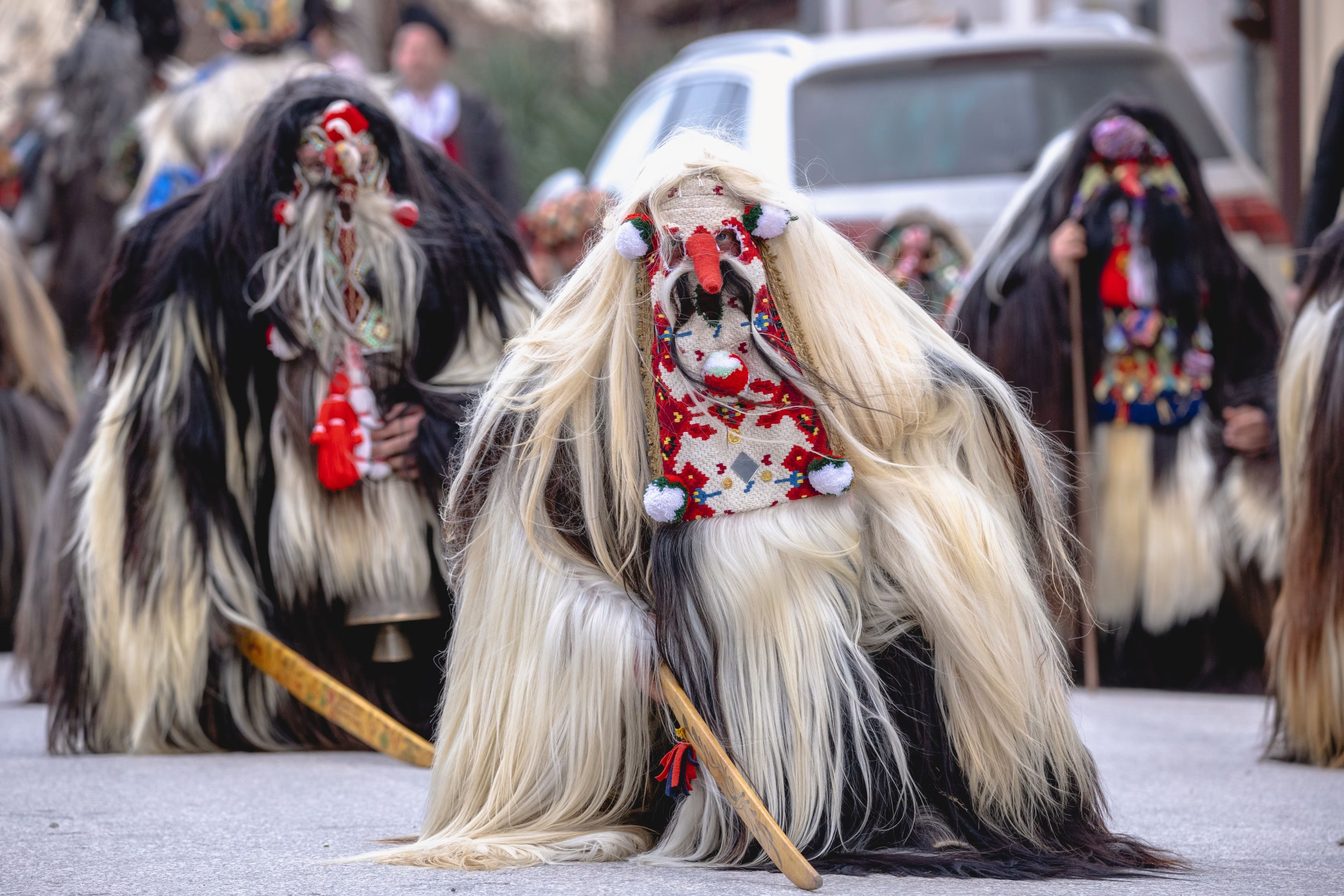
Krampus is the horned, chain-rattling counterpart to St. Nicholas found across Austria, Bavaria, and other Alpine regions. While St. Nicholas rewards well-behaved children, Krampus is said to punish the naughty, and towns still hold Krampusnacht processions each December 5, when locals dress as the creature and parade through the streets, a tradition documented by Austria’s national tourism board.
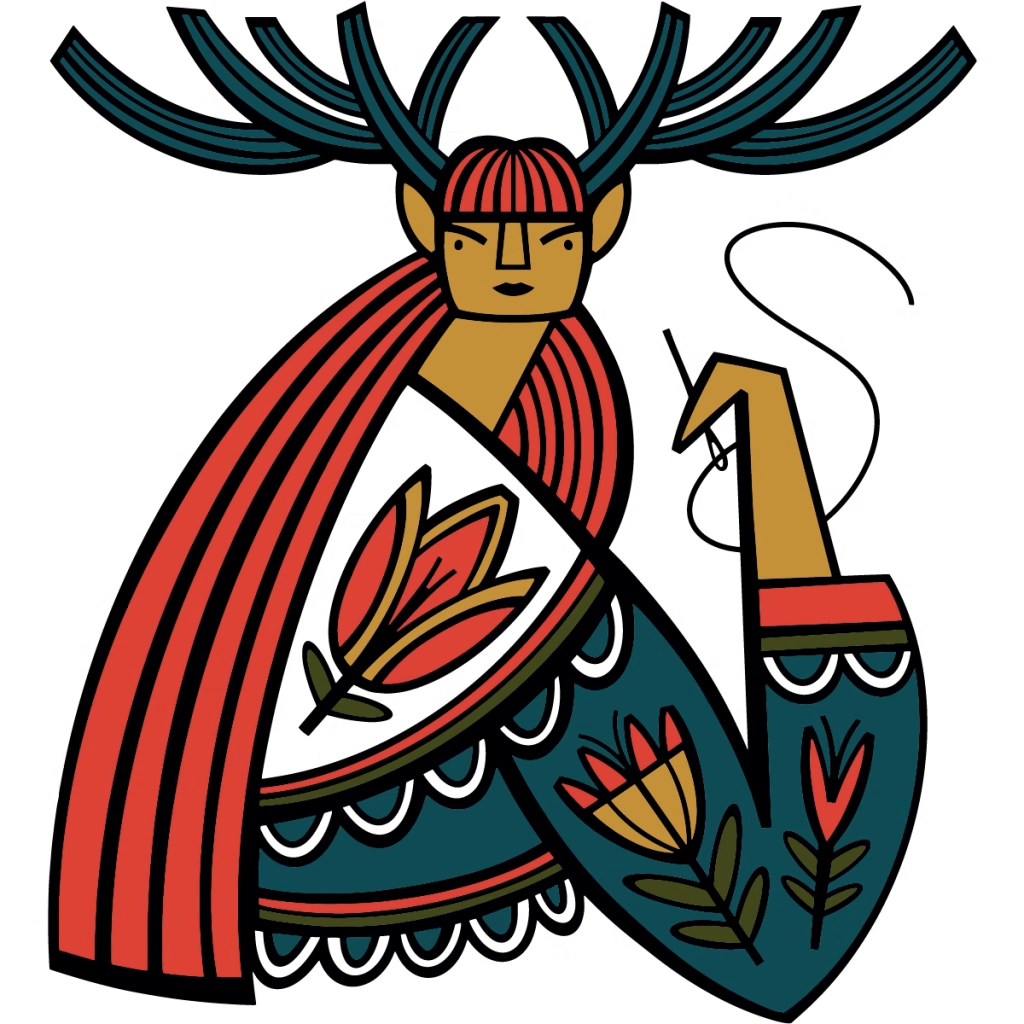
Perchta is a Germanic and Alpine folk figure tied to the midwinter season, sometimes described as a goddess-like guardian of spinners and household order. Folklore holds that she inspects homes during the twelve days of Christmas, rewarding those who have worked hard through the year and dealing harshly with the idle, a duality still referenced in Austrian and Bavarian winter customs.
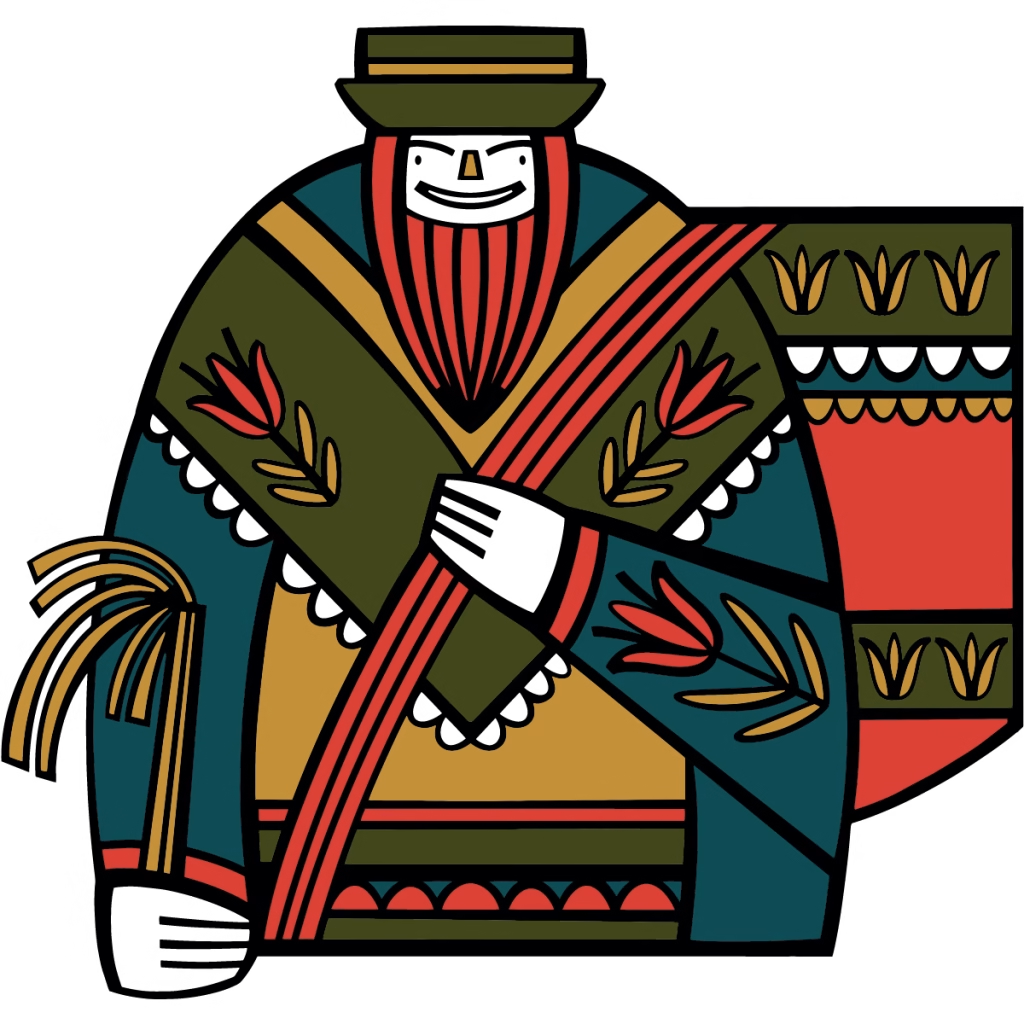
Belsnickel is a fur-clad, switch-carrying figure from German and Pennsylvania Dutch tradition, brought to the United States by German immigrants who settled in Pennsylvania. He arrives before Christmas to test children’s manners, handing out treats to the well-behaved and a light swat of the switch to those who misbehave, a custom still marked in parts of Pennsylvania today.
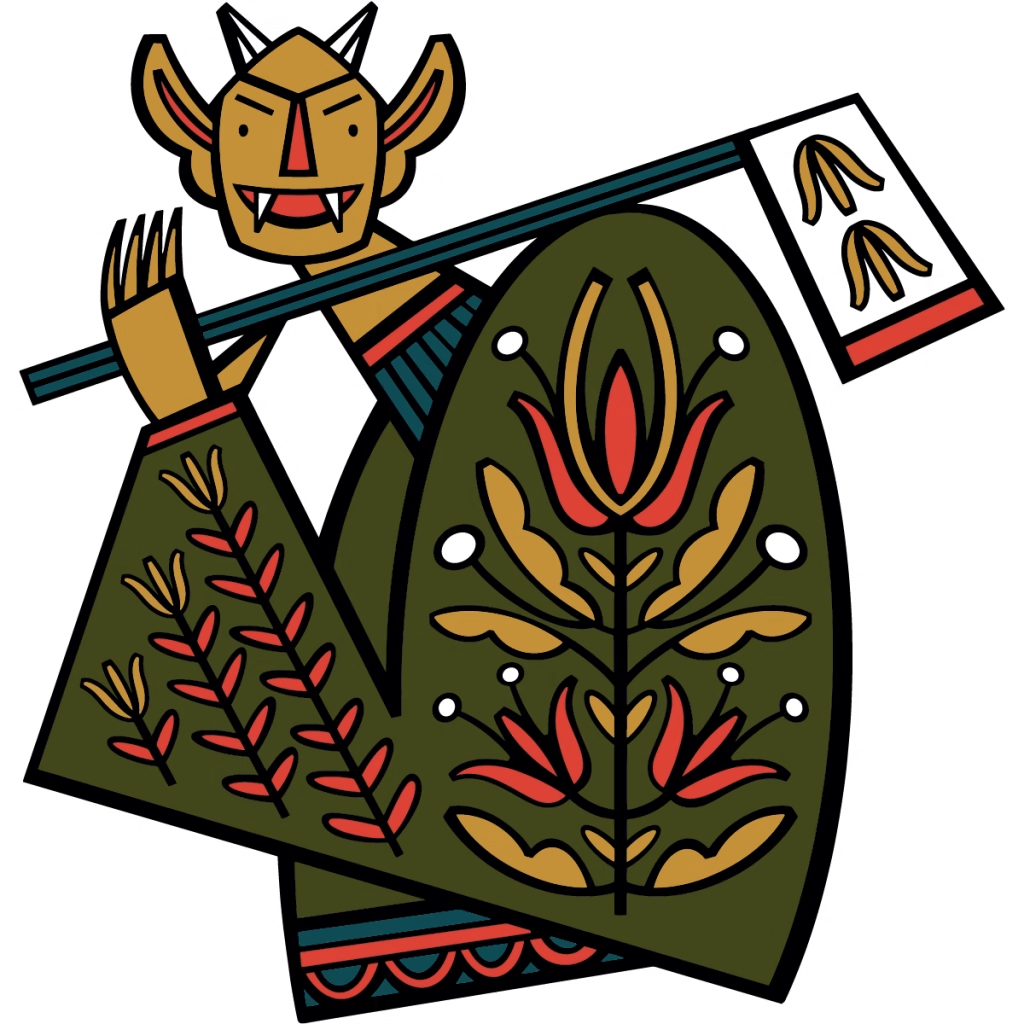
The Kallikantzaroi are goblin-like creatures from Greek folklore said to live underground, sawing at the roots of the World Tree year-round. Tradition holds they surface only during the twelve days of Christmas to cause mischief above ground, retreating once Epiphany arrives and the sun’s power is believed to be restored.
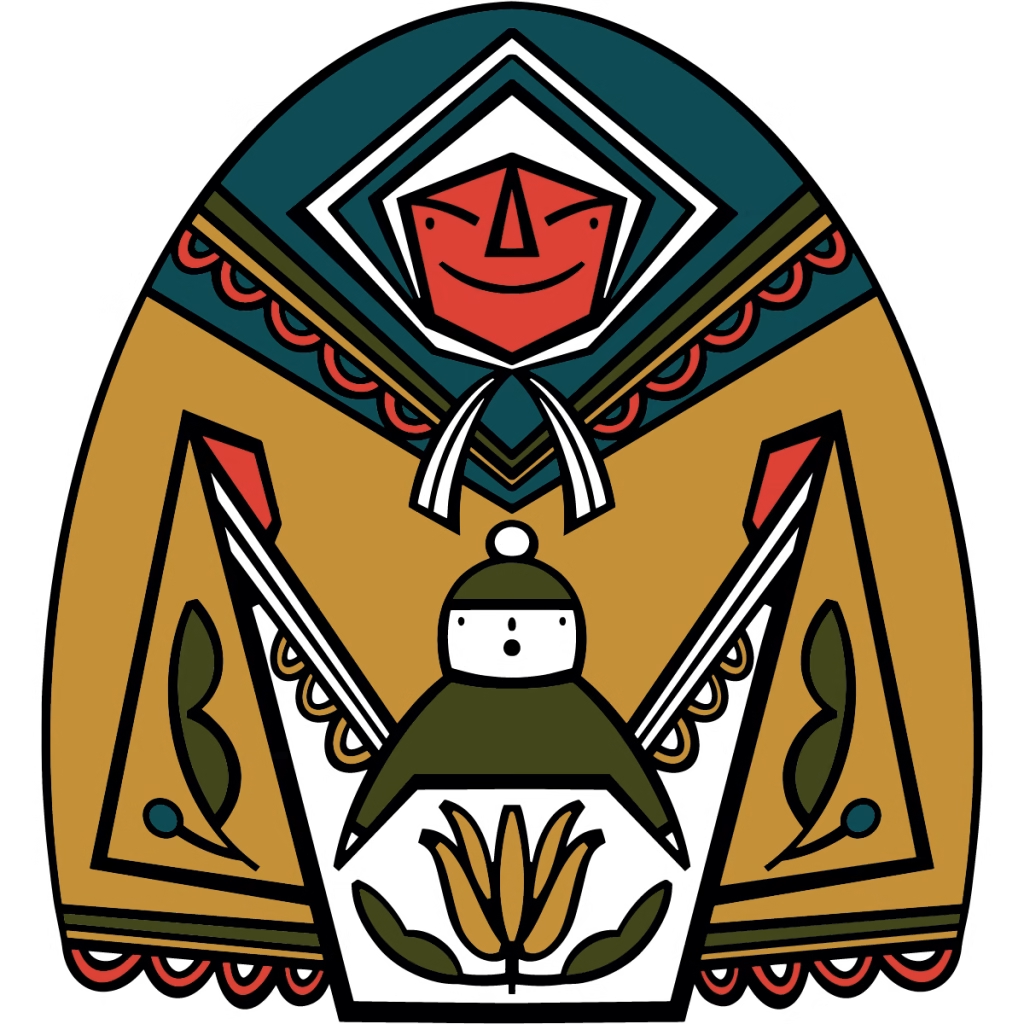
Gryla is a giant ogress from Icelandic folklore who lives in the mountains and is said to come down each Christmas season searching for misbehaving children. She is the mother of the mischievous Yule Lads, and her legend remains a fixture of Icelandic holiday storytelling, as noted by a well-known Icelandic tourism blog.
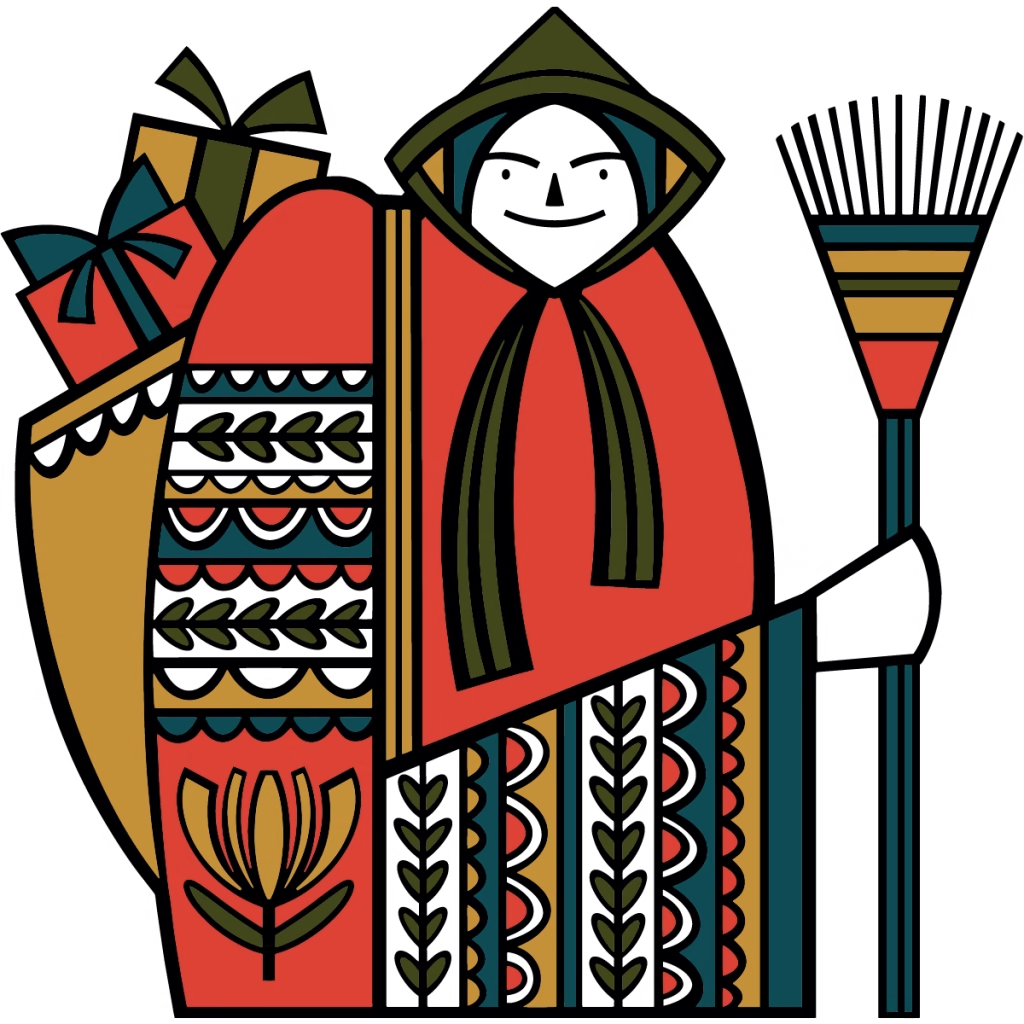
La Befana is the broom-riding Christmas witch of Italian folklore, who is said to deliver gifts and sweets, or coal to the naughty, to children on the eve of Epiphany, January 5. According to legend she was too busy cleaning to join the Magi on their journey to see the newborn Christ, and has been searching for him every year since.
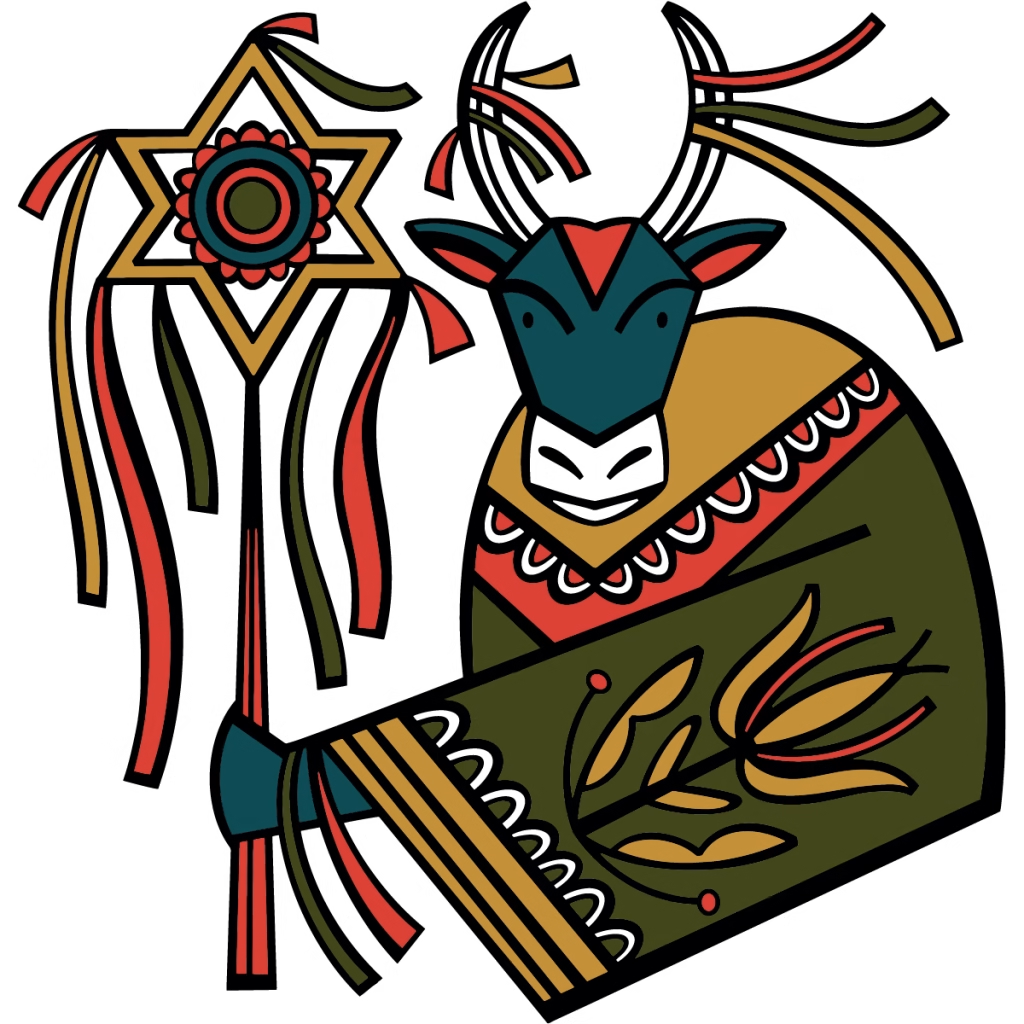
Turoń is a horned creature from Polish Christmas caroling traditions, played by a costumed performer wearing a wooden head with a snapping jaw. His name echoes the tur, the extinct aurochs. He appears alongside carolers in parts of southern Poland, where his visit has traditionally been seen as a sign of luck for the household.
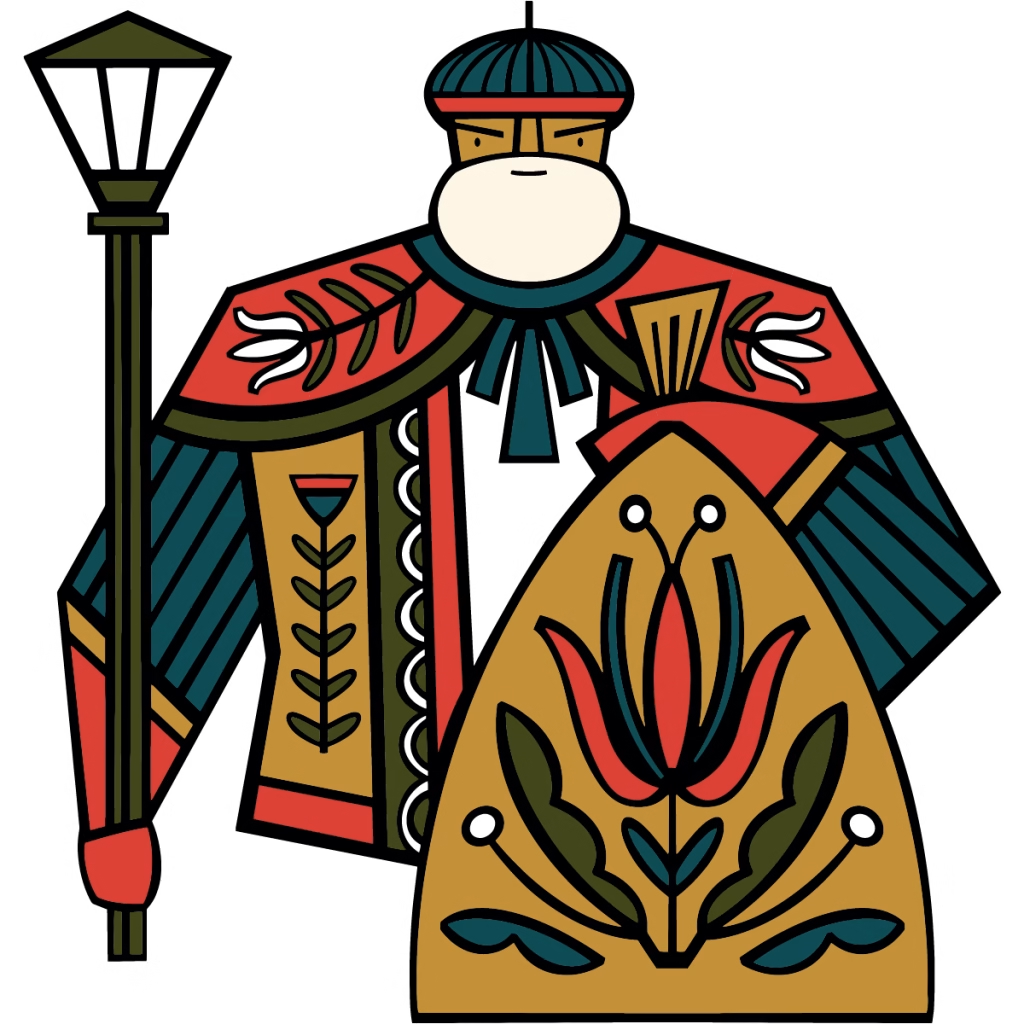
Olentzero is a Basque folk character, often described as a charcoal-burner or coal miner living in the mountains, who comes down to towns and villages on Christmas Eve to deliver gifts. He is typically shown as a stout figure in rustic clothing, smoking a pipe, and remains a central part of Christmas celebrations across the Basque Country in Spain and France.
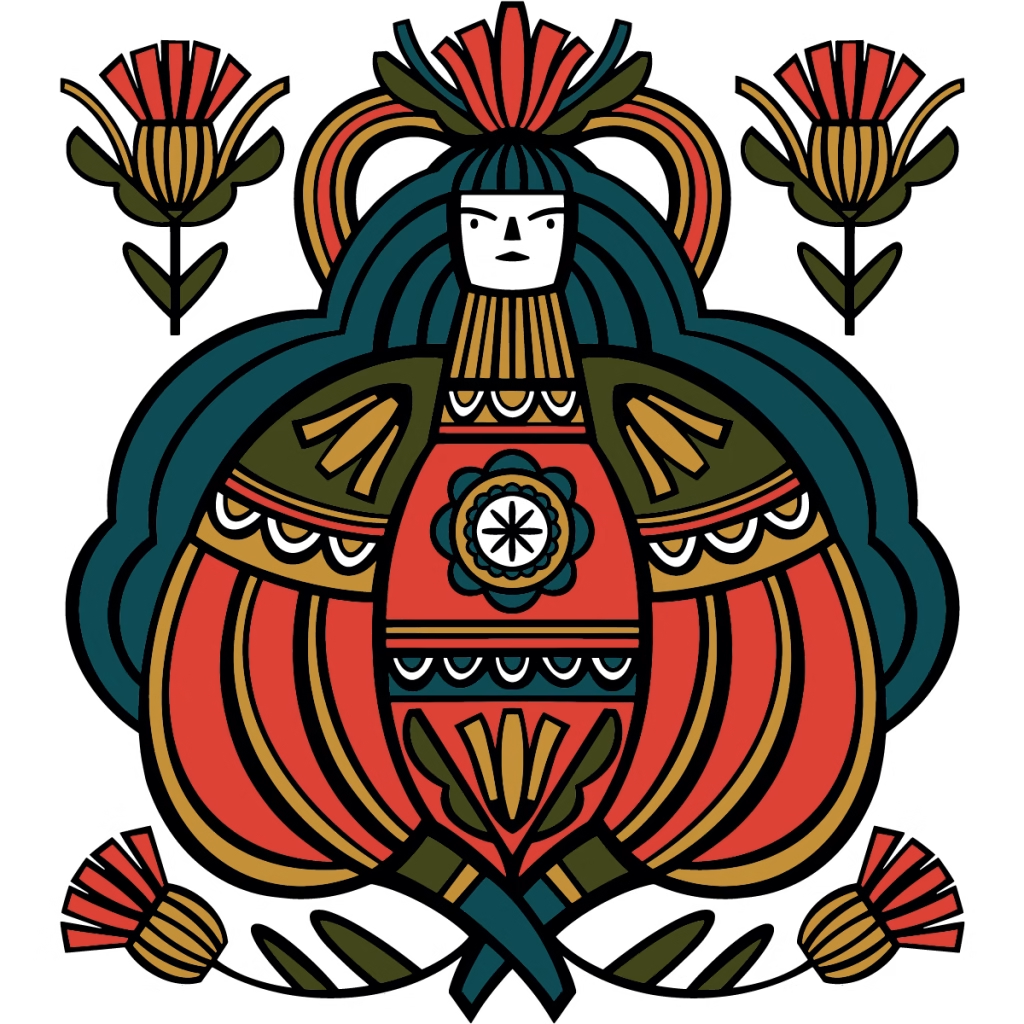
Snegurochka, the Snow Maiden, is a beloved figure in Russian folklore who serves as companion and granddaughter to Ded Moroz, the Russian equivalent of Father Frost. She appears in Russian New Year and Christmas celebrations helping distribute gifts, and her story has been retold in operas, films, and folk tales for generations.
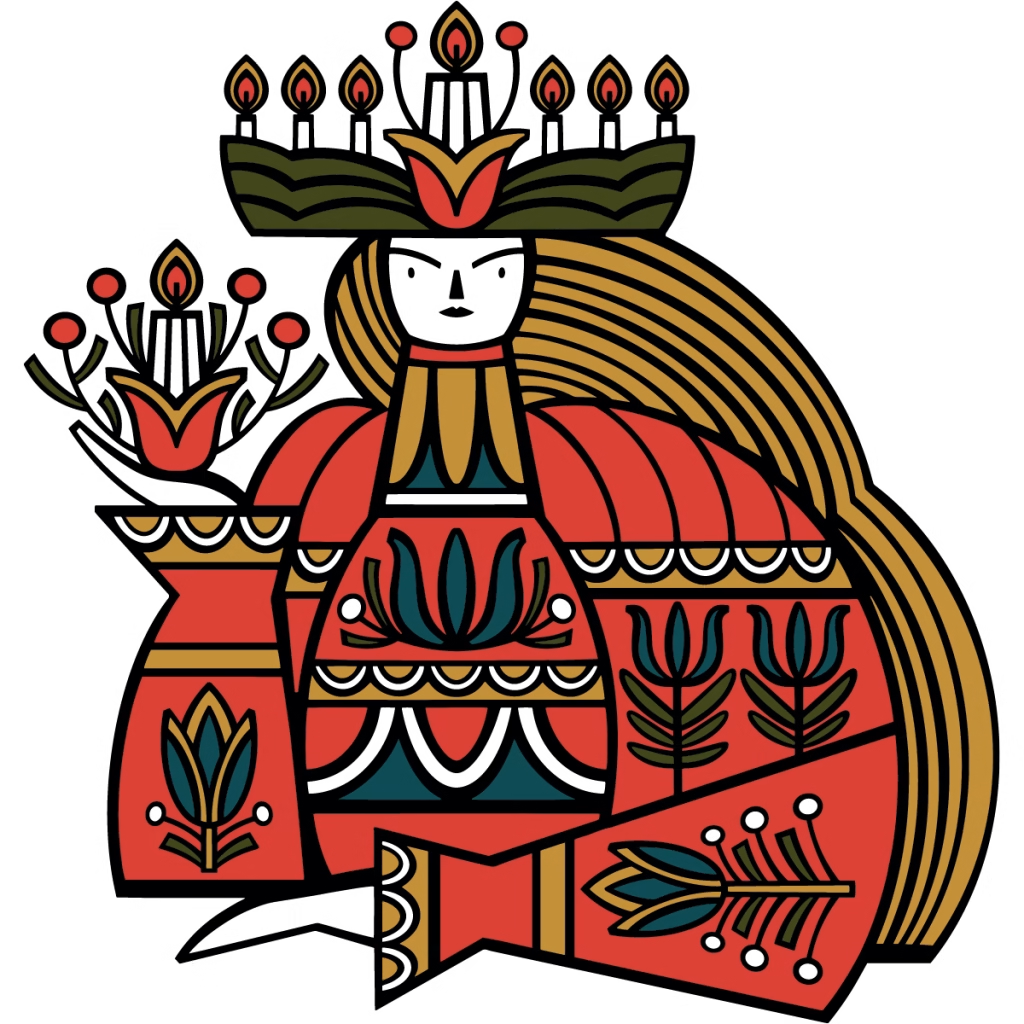
Lussi is a menacing figure from older Swedish folklore tied to December 13, once believed to be the longest night of the year before calendar reforms. Legend held that Lussi and her followers, known as the Lussiferda, flew through the sky to punish households that had not finished their holiday preparations in time, a belief that predates the gentler St. Lucia traditions now celebrated on the same date.
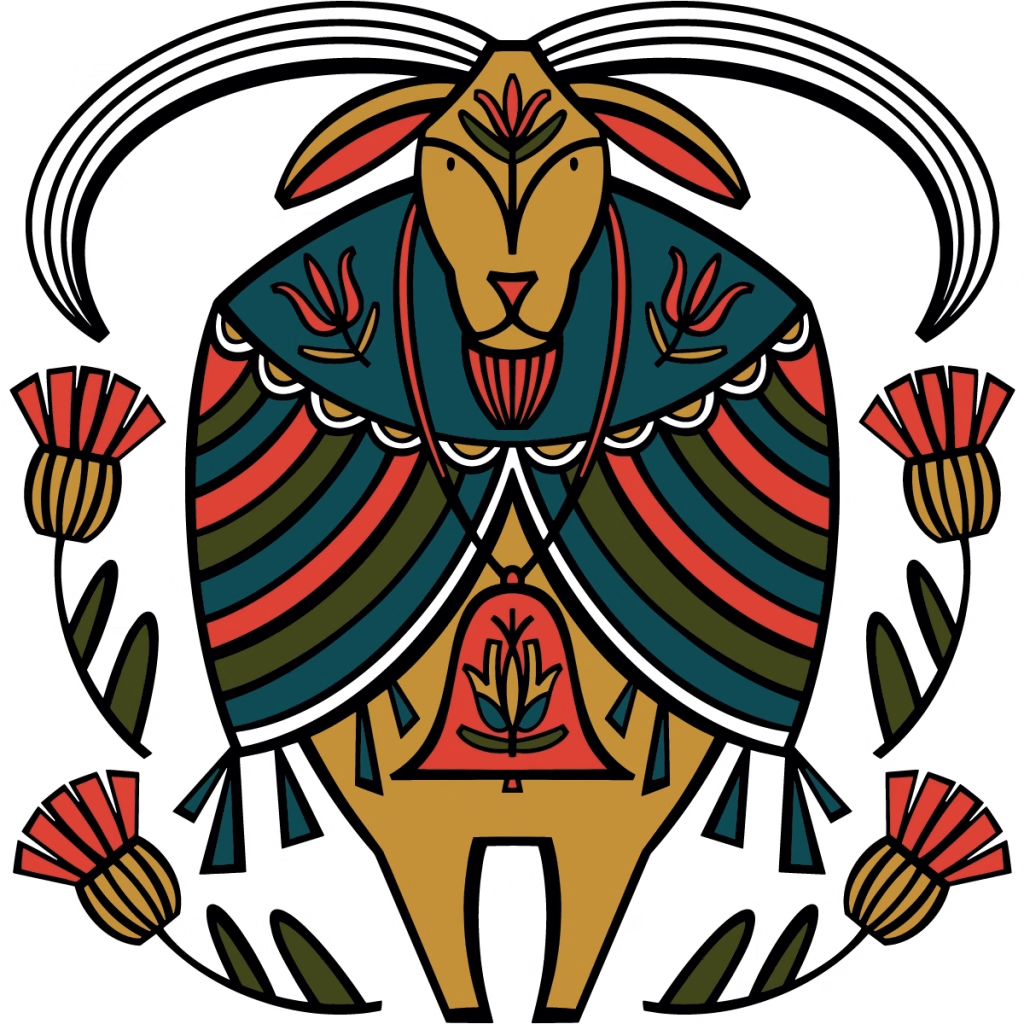
The Julebok, or Yule Goat, traces back to Norse mythology and the god Thor’s goat-drawn chariot, later becoming a decorative straw figure across Scandinavia during Christmas. Today the tradition is most visible in Sweden’s city of Gävle, where a giant straw Yule Goat is built each year and has become a target for would-be arsonists, a story chronicled by outlets including the Associated Press.
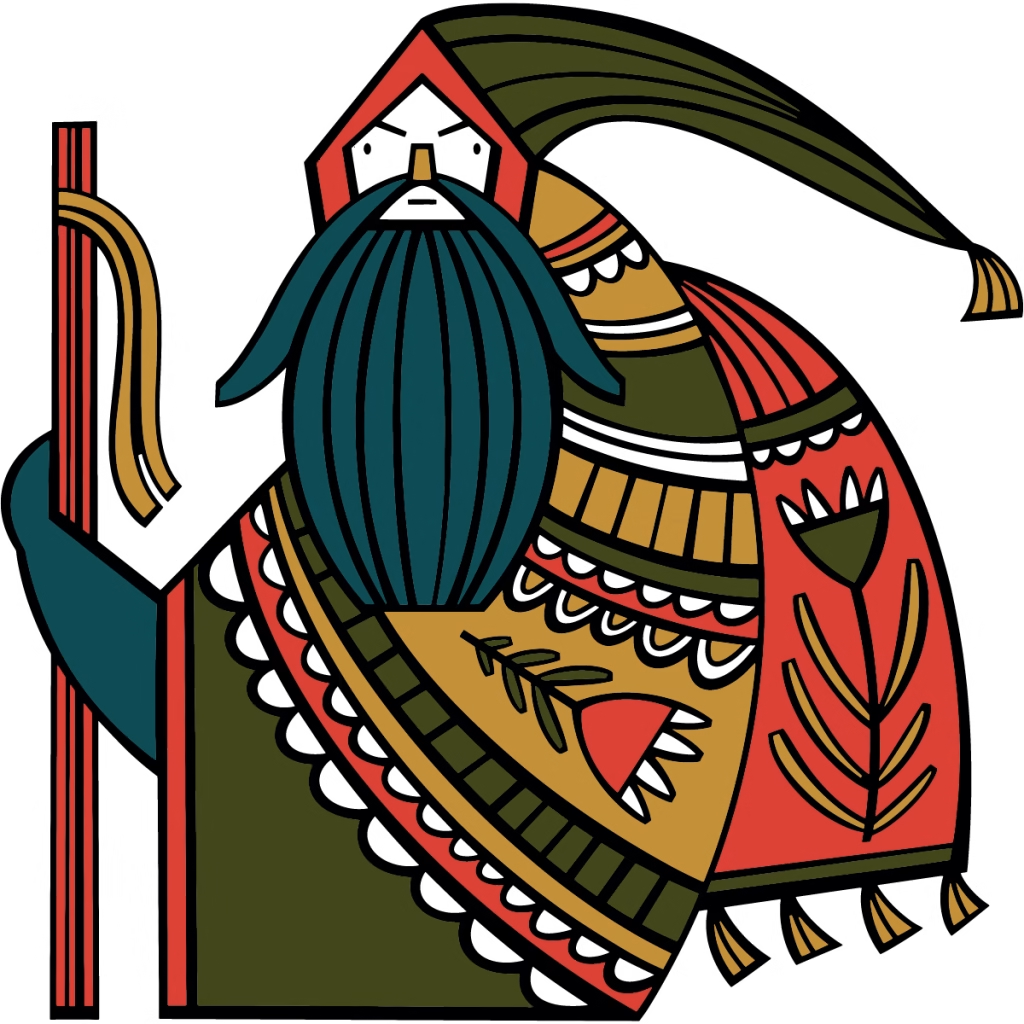
Père Fouettard, or “Father Whipper,” is the French companion of St. Nicholas who is said to punish children who have misbehaved throughout the year. Stories describe him dressed in dark, ragged clothing and carrying a whip or switch, standing in contrast to St. Nicholas’s role as the giver of gifts.

Father Christmas began in England as a personification of the Christmas season itself, a jolly figure associated with feasting, goodwill, and midwinter cheer rather than gift-giving. Over the 19th and 20th centuries the character gradually merged with the American Santa Claus, though the name Father Christmas is still commonly used across the United Kingdom today.

The Yule Spider comes from Ukrainian and Baltic folk tales explaining the origin of Christmas tinsel, describing a poor widow’s tree decorated overnight by spiders whose webs turned to silver and gold in the morning light. The tale is still referenced today as the folk explanation for why spider ornaments and tinsel appear on Christmas trees in parts of Eastern Europe.
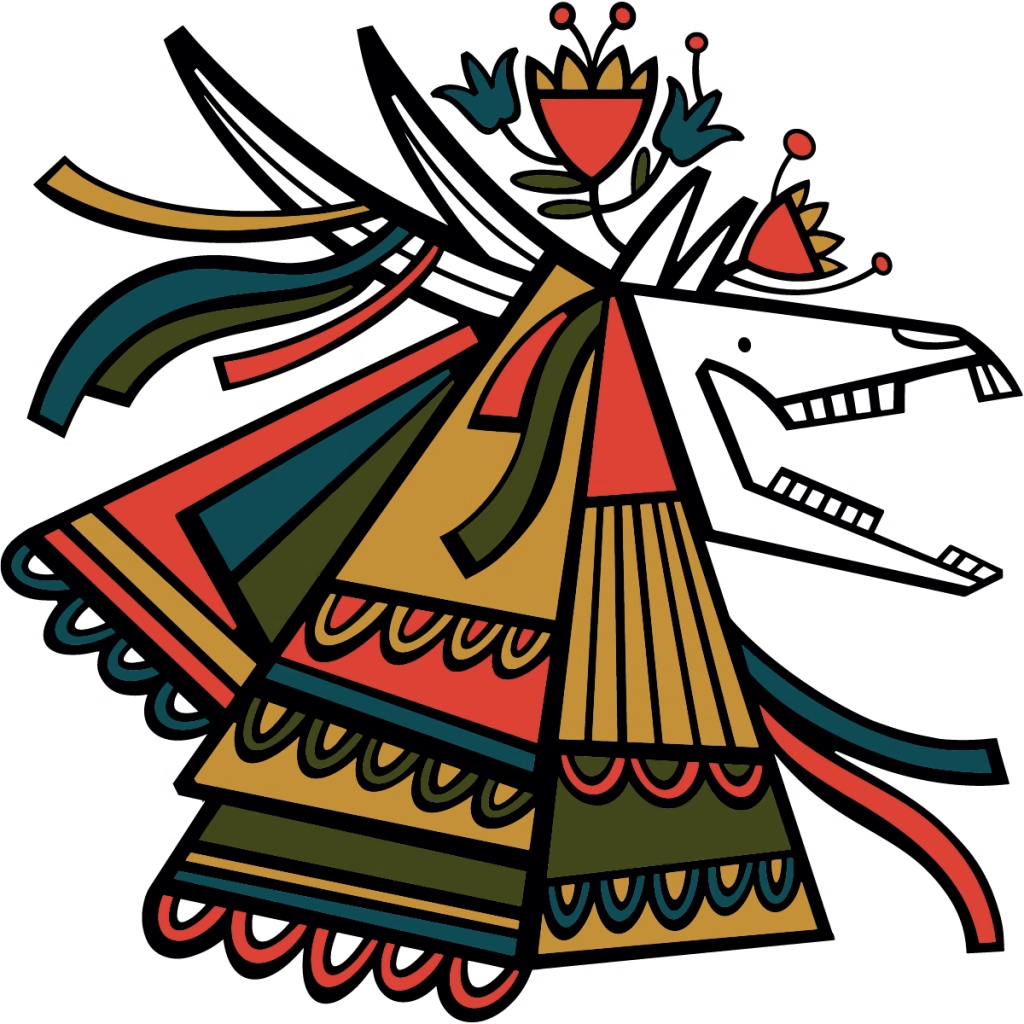
Mari Lwyd is a Welsh New Year and midwinter custom featuring a horse’s skull mounted on a pole and draped in a white sheet, carried door to door by a group performing songs and rhyming verbal duels for entry into homes. The tradition, rooted in South Wales, has seen a modern revival and is documented by organizations including Visit Wales.
This collection of illustrations brings each of these winter legends to life, from Krampus’s rattling chains to the Yule Spider’s silver web, using a bold and decorative style that makes centuries-old folk tales feel fresh again.

READY TO EXPLORE?
If you’re the kind of person who wants to do more than just read about these legends, and instead wants to truly learn, remember, and celebrate a collection like this one, we’ve got you covered.
Study all 16 legends of European Christmas folklore and pick up a poster of your own to keep the stories close all season long.