03.07.2026
12 Skateboard Tricks


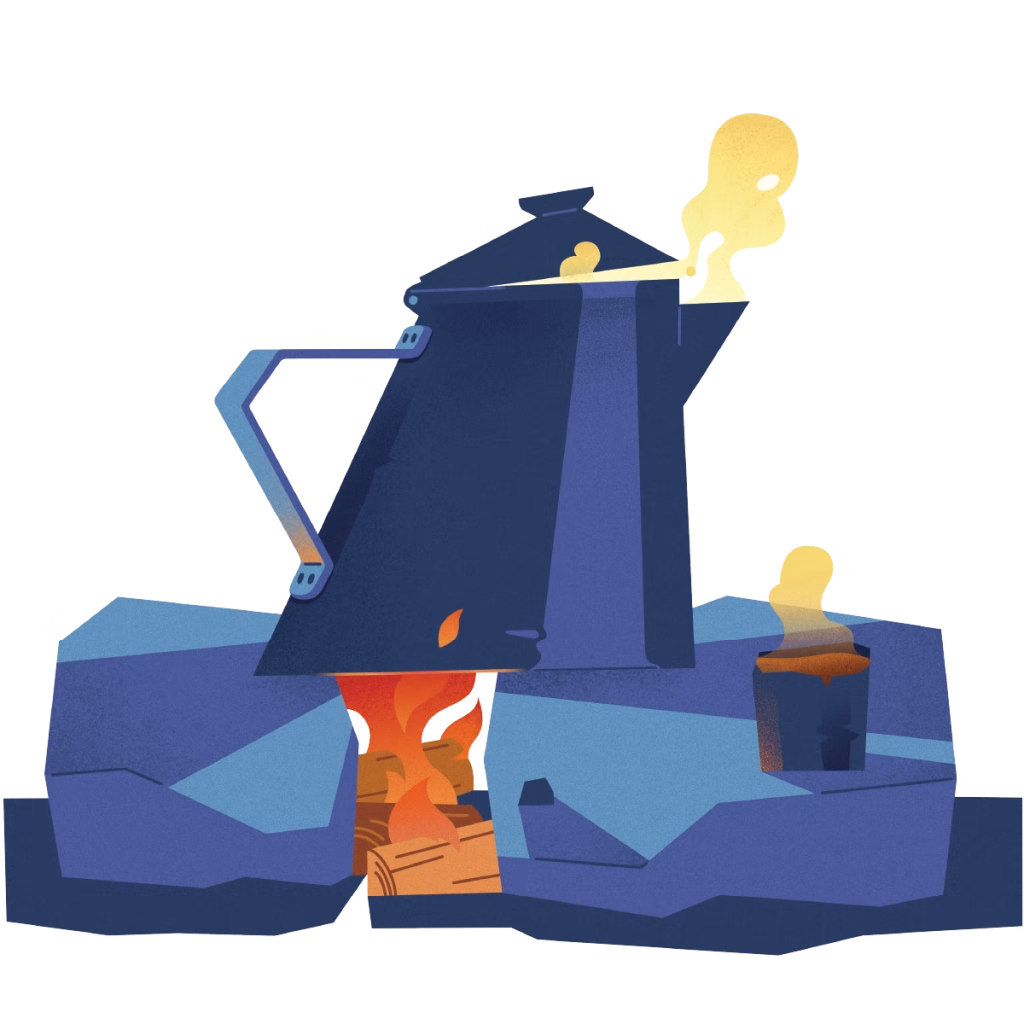
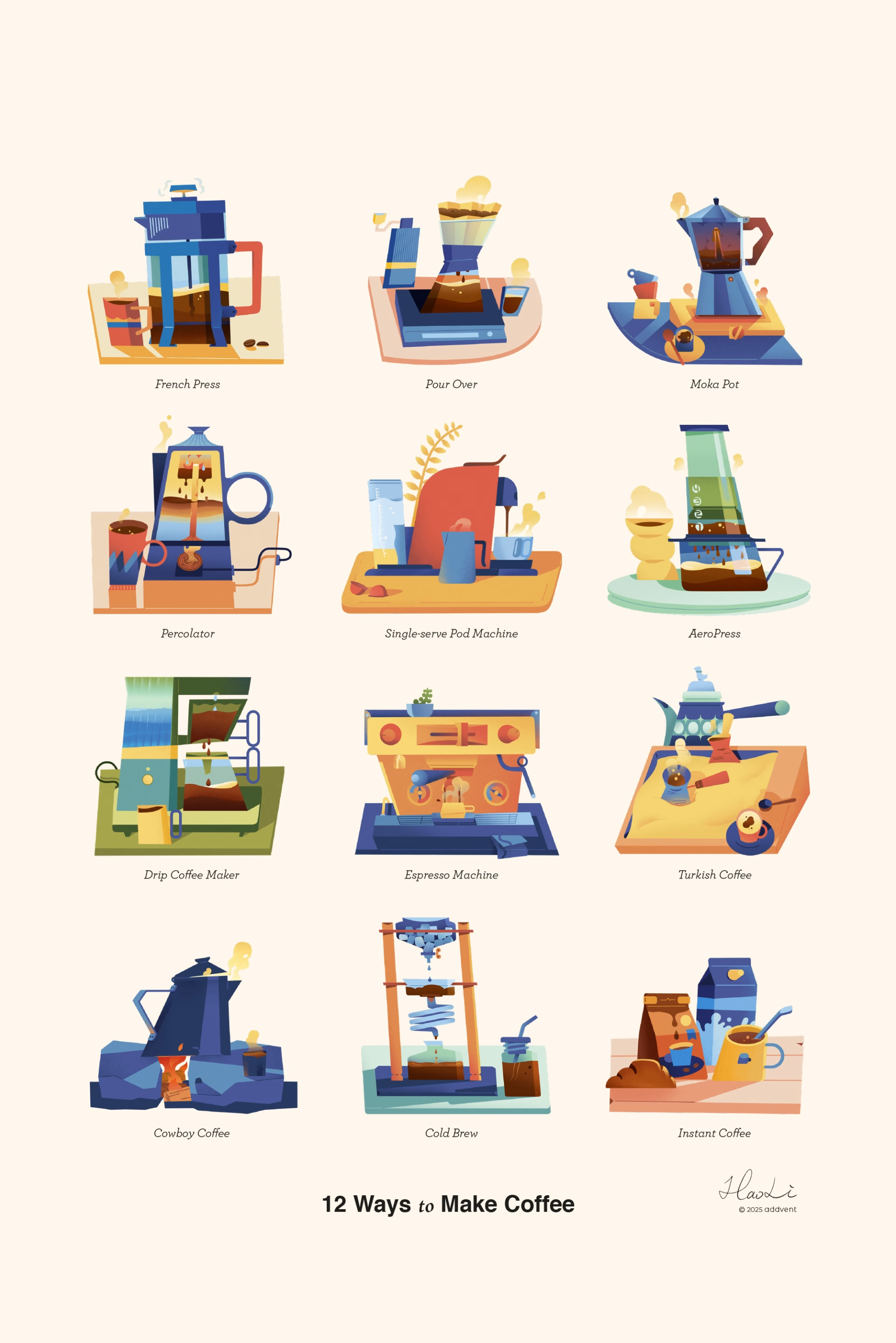
Cowboy coffee is about as simple as brewing gets: coarse grounds are added straight to boiling water in a pot, then left to settle before pouring. The method spread with cattle drivers and prospectors across the American West in the 19th century, a history noted by the National Coffee Association, and it remains a campfire staple for its no-equipment, no-filter approach. Expect a bold, full-bodied, slightly gritty cup that can turn bitter if it sits on the heat too long.
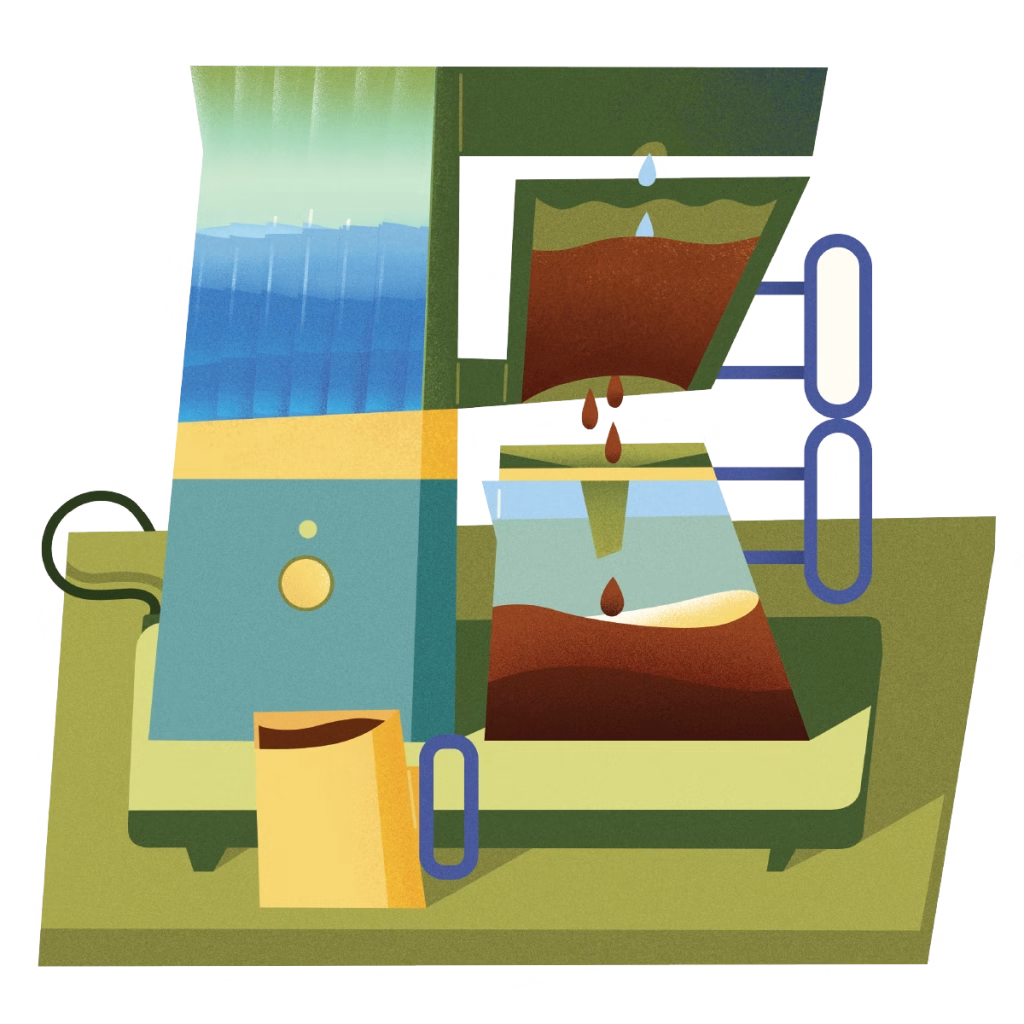
The electric drip coffee maker automates the pour-over process, heating water and dispensing it evenly over grounds in a filter basket. Mr. Coffee, introduced in 1972, was among the first widely marketed automatic drip machines and helped make the format standard in American kitchens. Drip coffee is balanced, mild, and consistent, a familiar medium-bodied cup that’s easy to drink black or with cream. Drip coffee is balanced, mild, and consistent, a familiar medium-bodied cup that’s easy to drink black or with cream.
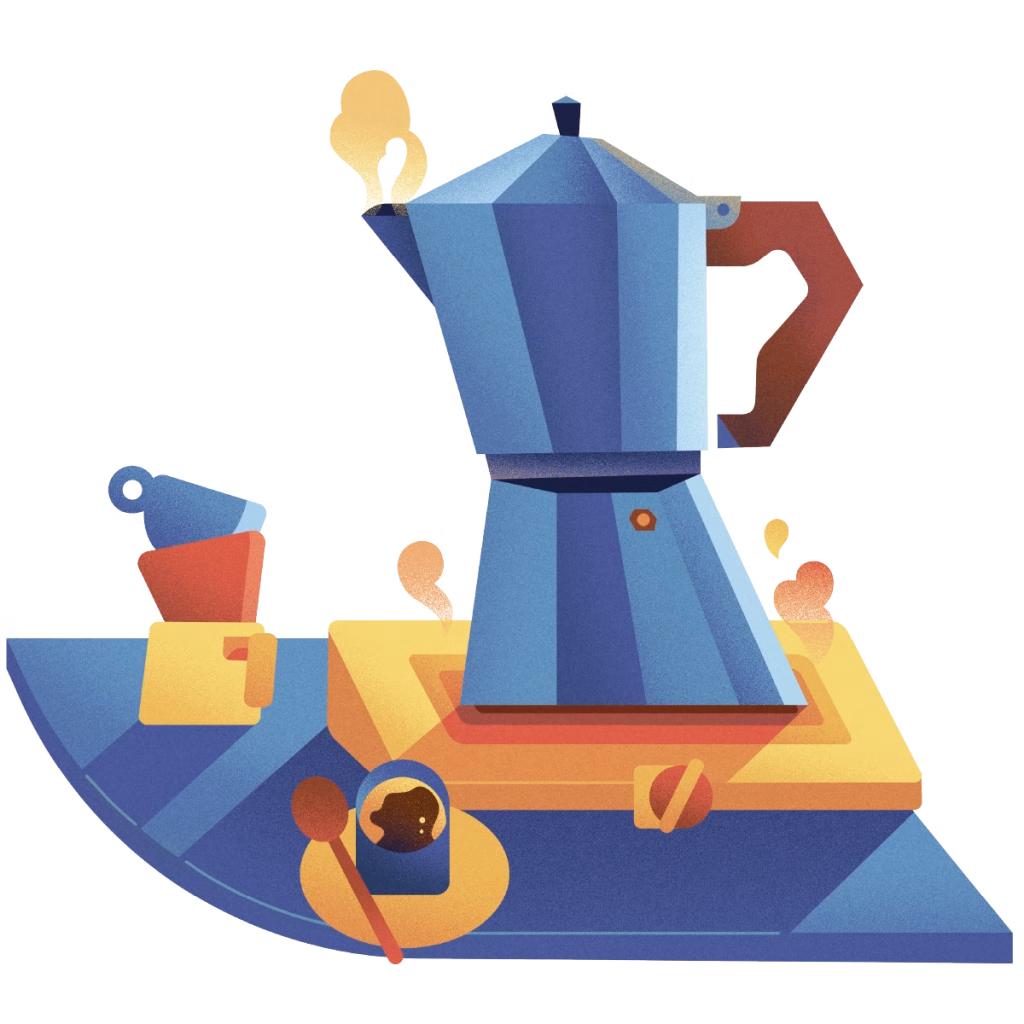
The moka pot brews a hearty stovetop espresso by pushing steam-pressurized water up through grounds and into an upper chamber. Designed by engineer Luigi De Ponti for Alfonso Bialetti in Italy in 1933, its octagonal aluminum shape became a fixture of Italian kitchens and is still manufactured largely unchanged today. Moka pot coffee is strong and bold, close to espresso in intensity, with a deep, roasty flavor and a slightly bitter finish.
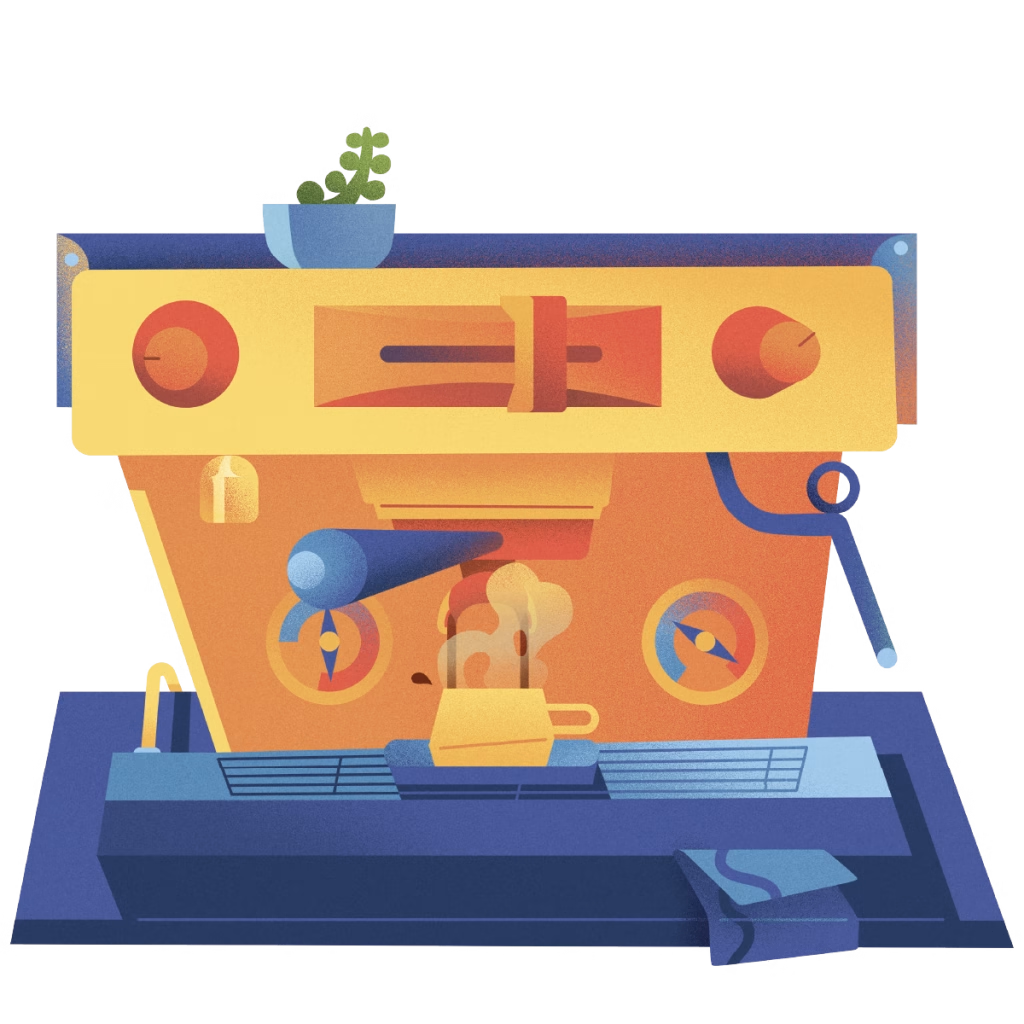
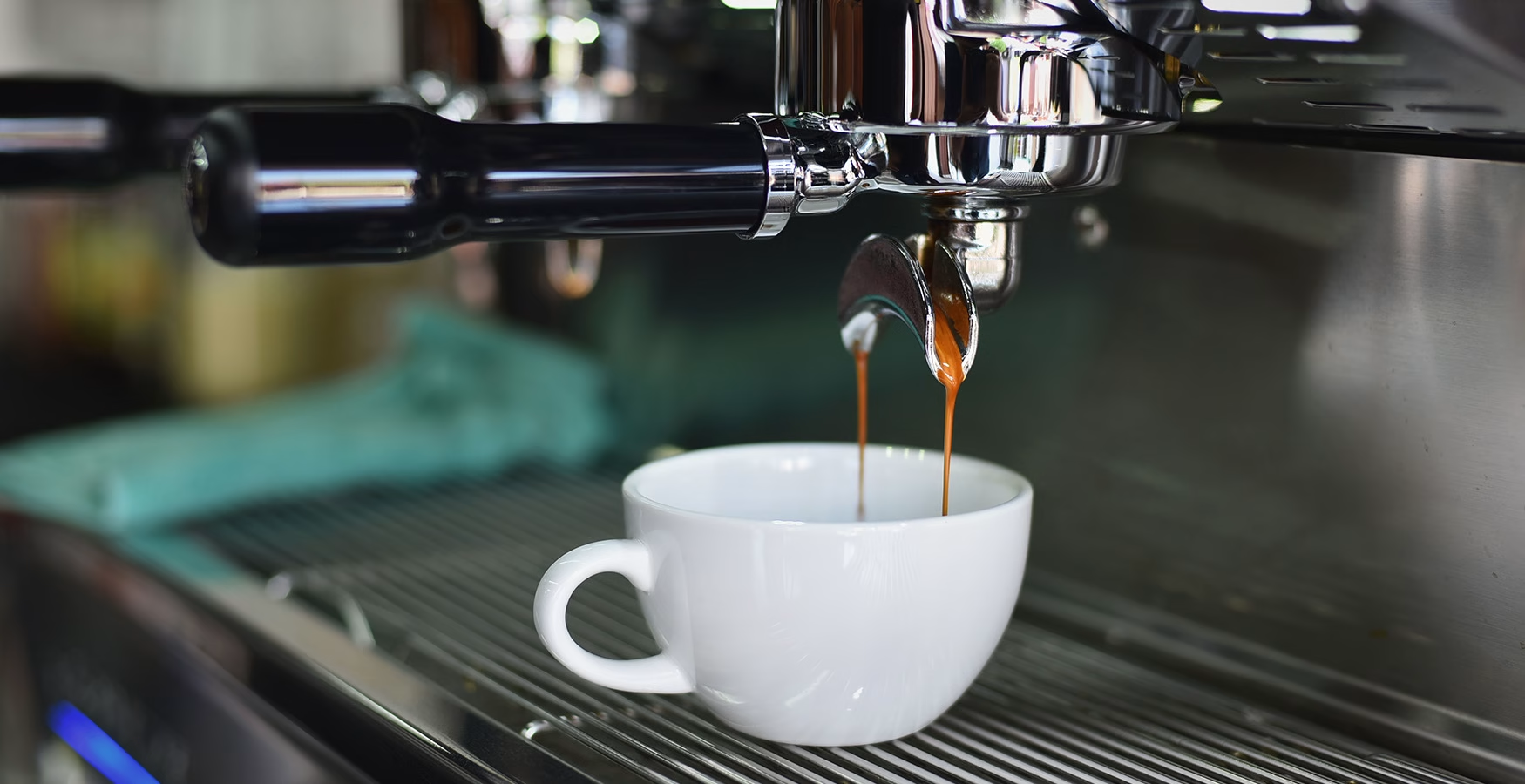
An espresso machine forces hot water through finely ground, tightly packed coffee under high pressure, producing a concentrated shot with a layer of crema on top. Angelo Moriondo patented the first known espresso machine in Turin, Italy, in 1884, and Luigi Bezzera and Desiderio Pavoni later improved the design in the early 1900s. Espresso is the most concentrated of the bunch: bold and intense with a syrupy body, a touch of bitterness, and a sweet, caramel-like finish when pulled well.
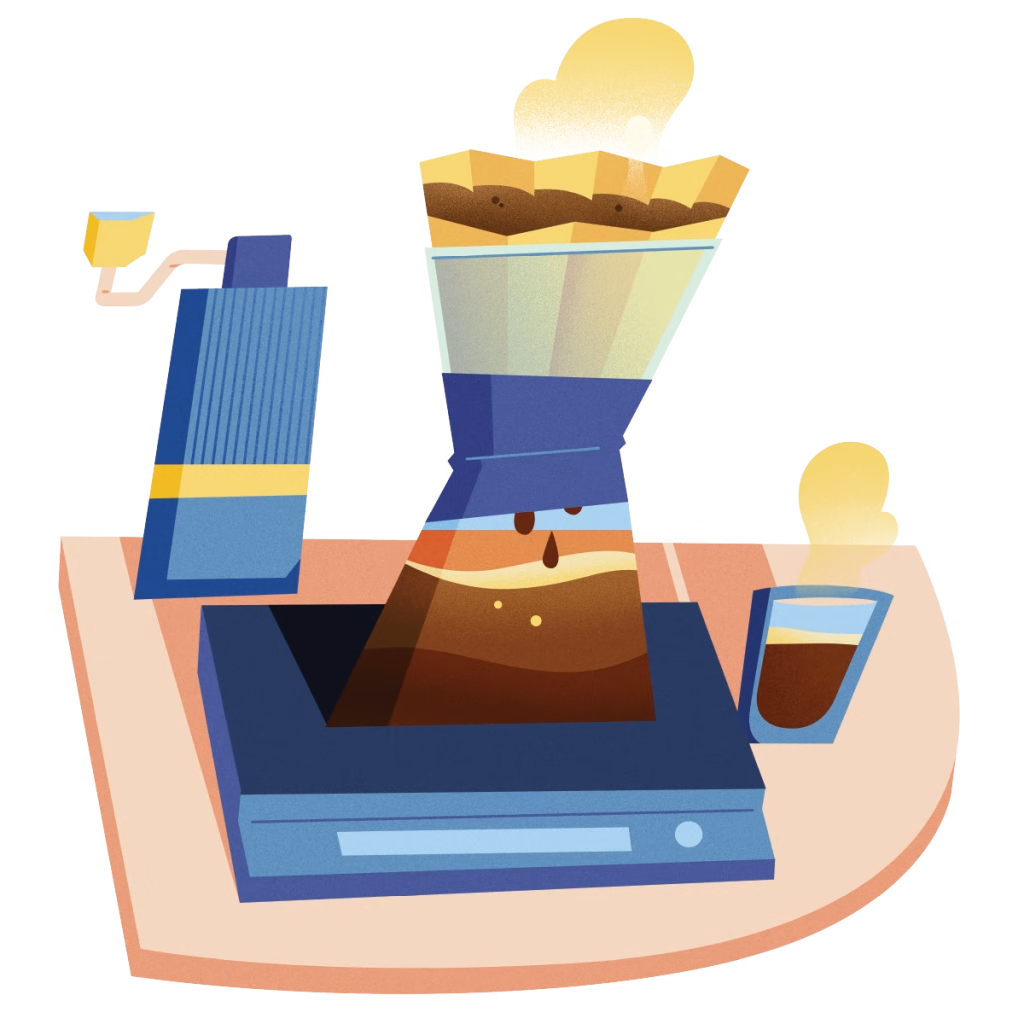
Pour-over involves slowly pouring hot water over grounds held in a paper filter, allowing the coffee to drip through by gravity alone. The method traces back to 1908, when German entrepreneur Melitta Bentz patented the first paper coffee filter, aiming for a cleaner cup than the boiled coffee common at the time. Because the filter catches most oils and sediment, pour-over tastes clean, bright, and nuanced, often highlighting a coffee’s fruity or floral notes.
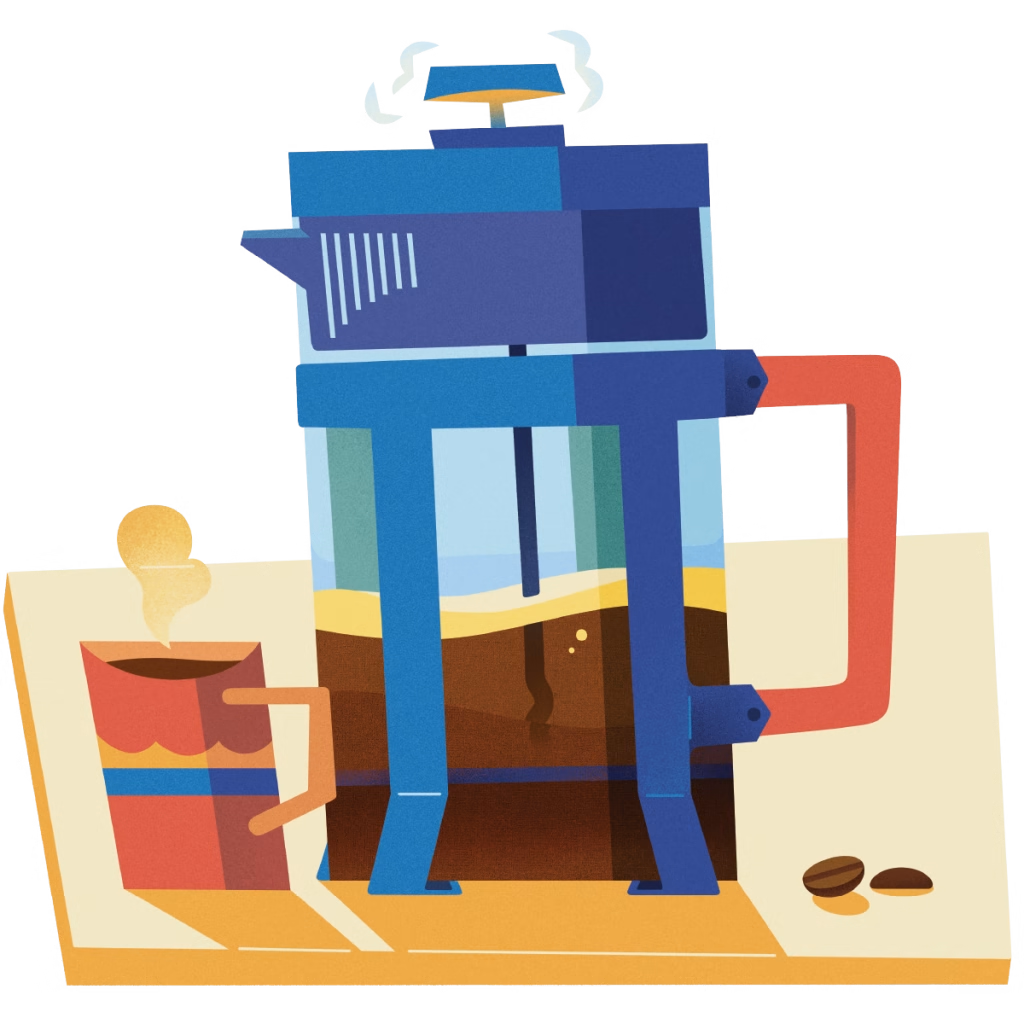
The French press uses a plunger fitted with a mesh filter to separate steeped grounds from brewed coffee. Early plunger-pot designs were patented by Italian inventors in the late 1920s, and the modern version most people recognize today was refined and patented by Faliero Bondanini in 1958. The metal mesh lets natural oils pass through, so French press coffee is rich, robust, and heavy-bodied, with a little sediment at the bottom.
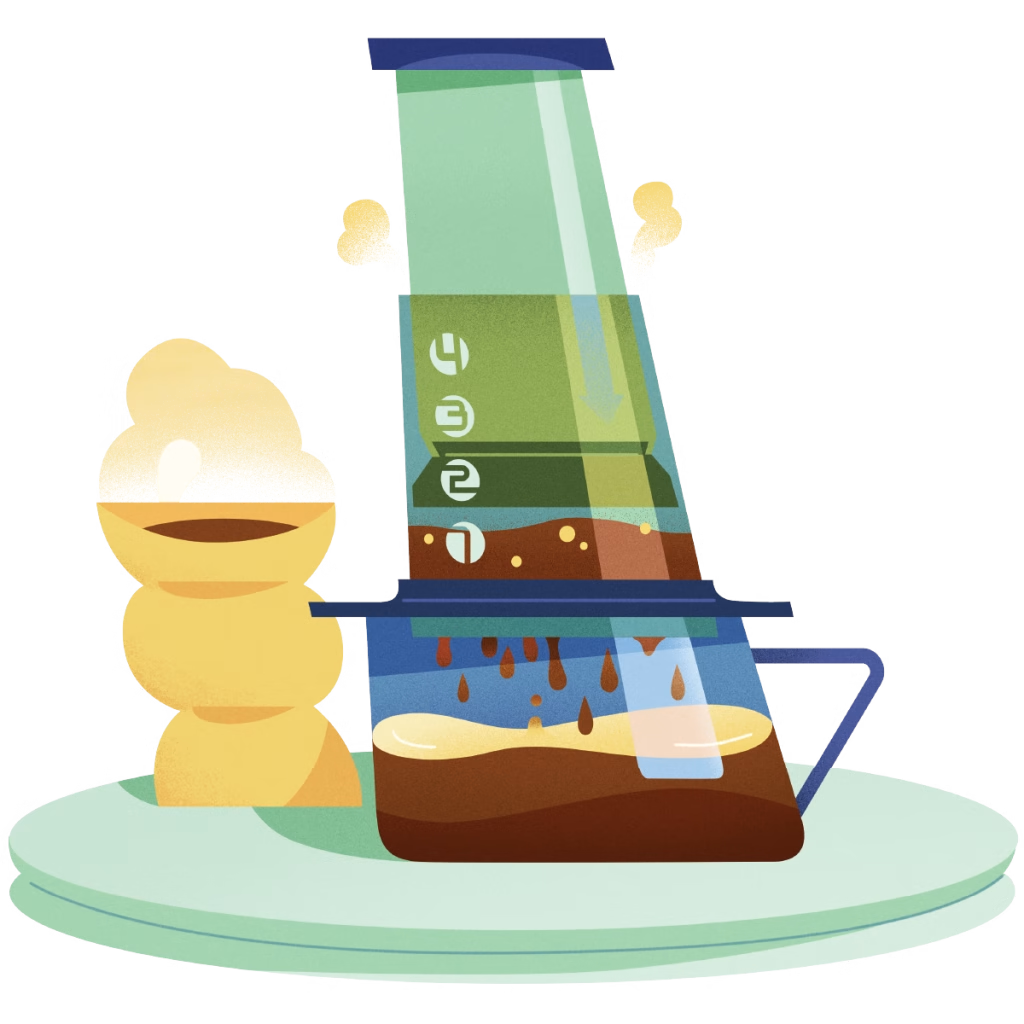
The AeroPress brews coffee by using manual air pressure to push hot water through grounds and a paper filter in about a minute. It was invented in 2005 by Alan Adler, an engineer better known for designing the Aerobie flying disc, who wanted a faster, simpler alternative to the French press, a story shared on the AeroPress site. Expect a smooth, clean cup with low bitterness that can be brewed as a concentrated espresso-style shot or a lighter everyday coffee.
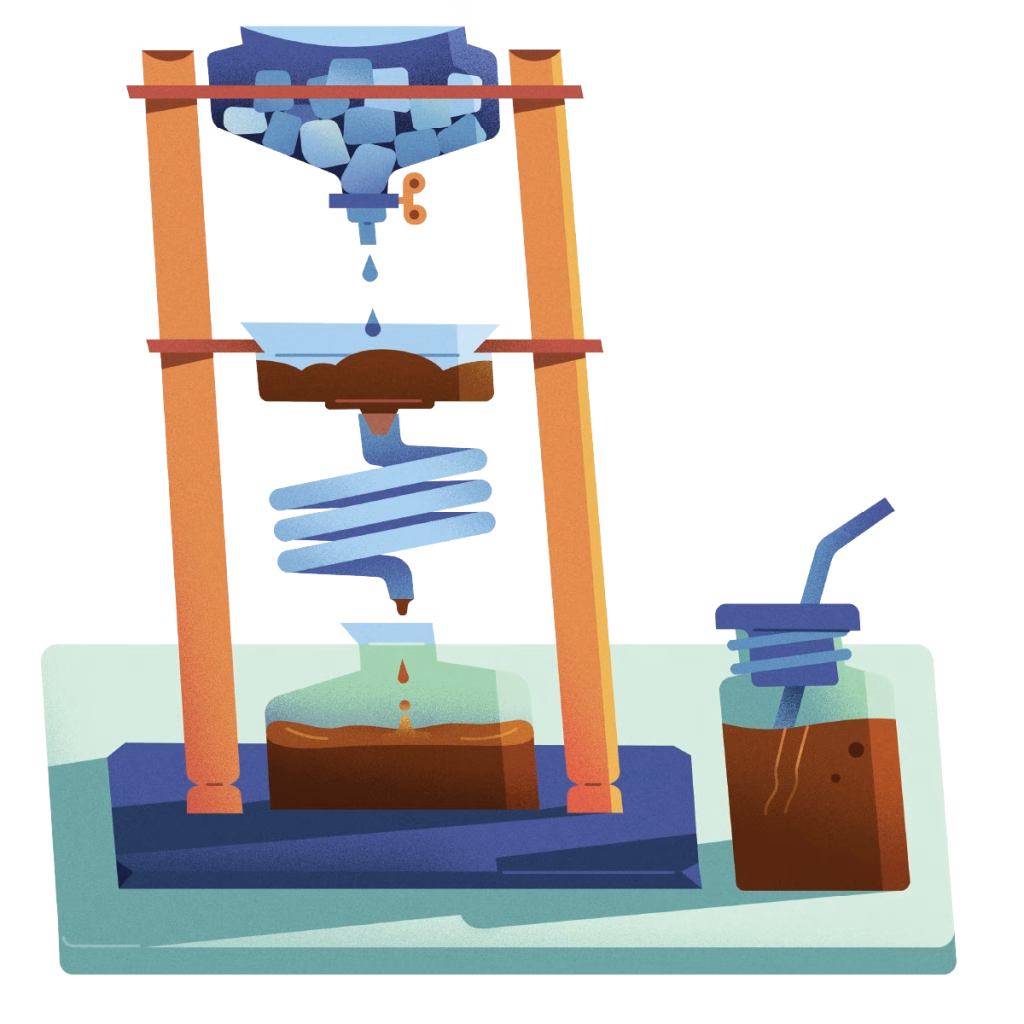
Cold brew is made by steeping coarse grounds in room-temperature or cold water for 12 to 24 hours, producing a smoother, less acidic concentrate. The slow-drip style has roots in centuries-old Kyoto-style coffee traditions in Japan, though it did not become a mainstream American coffee shop staple until the 2010s. The long, cold steep brings out mellow, chocolatey sweetness with very little bitterness, and the concentrate is usually cut with water or milk.
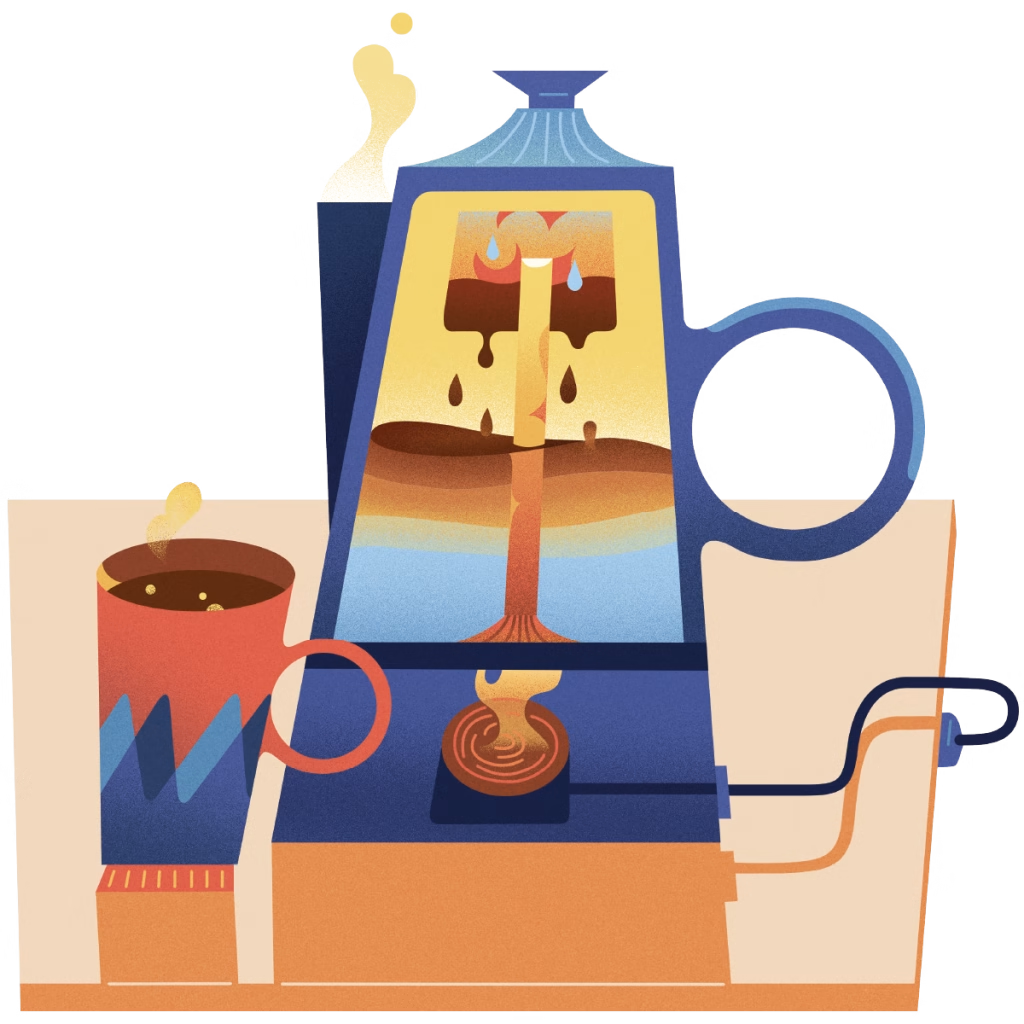
A percolator repeatedly cycles boiling water up through a tube and back down over the same grounds until the desired strength is reached. The device was patented in the United States by James Nason in 1865, and a later version of the same design became especially popular in American homes in the mid-20th century. Since the same grounds are brewed again and again at high heat, percolator coffee is strong and robust but can easily tip into bitter.
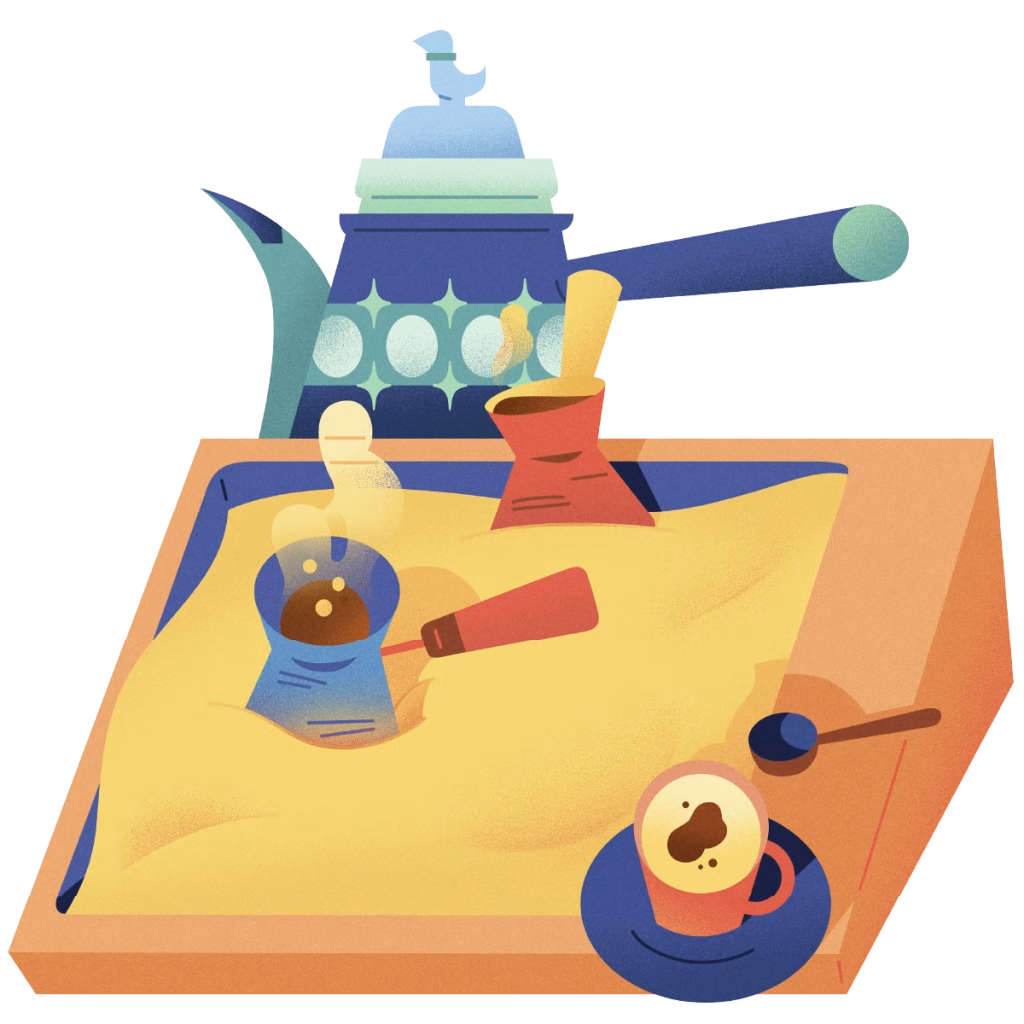
Turkish coffee is made by simmering very finely ground coffee with water, and often sugar, in a small pot called a cezve until it foams. The tradition dates to the Ottoman Empire and remains so culturally significant that UNESCO added Turkish coffee culture and tradition to its Intangible Cultural Heritage list in 2013. The result is thick, strong, and intense, with an almost syrupy texture and fine grounds that settle at the bottom of the cup.
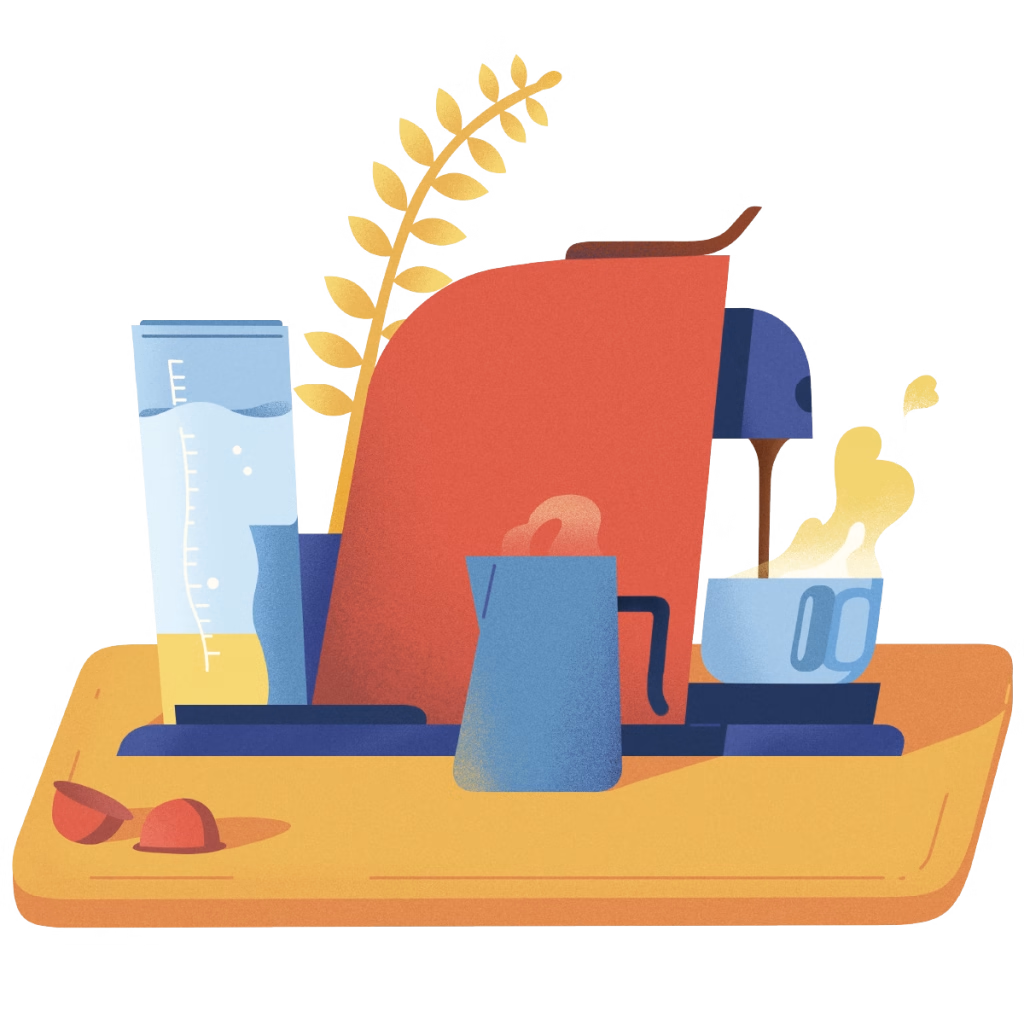
Pod machines brew a single cup by piercing a pre-portioned capsule and forcing hot water through it. Nespresso launched in Switzerland in 1986, while Keurig, founded in 1998 by John Sylvan and Peter Dragone, introduced the K-Cup format that brought single-serve brewing into millions of American offices and homes. The flavor is convenient and consistent, with K-Cups generally tasting milder and Nespresso capsules leaning stronger and more espresso-like.
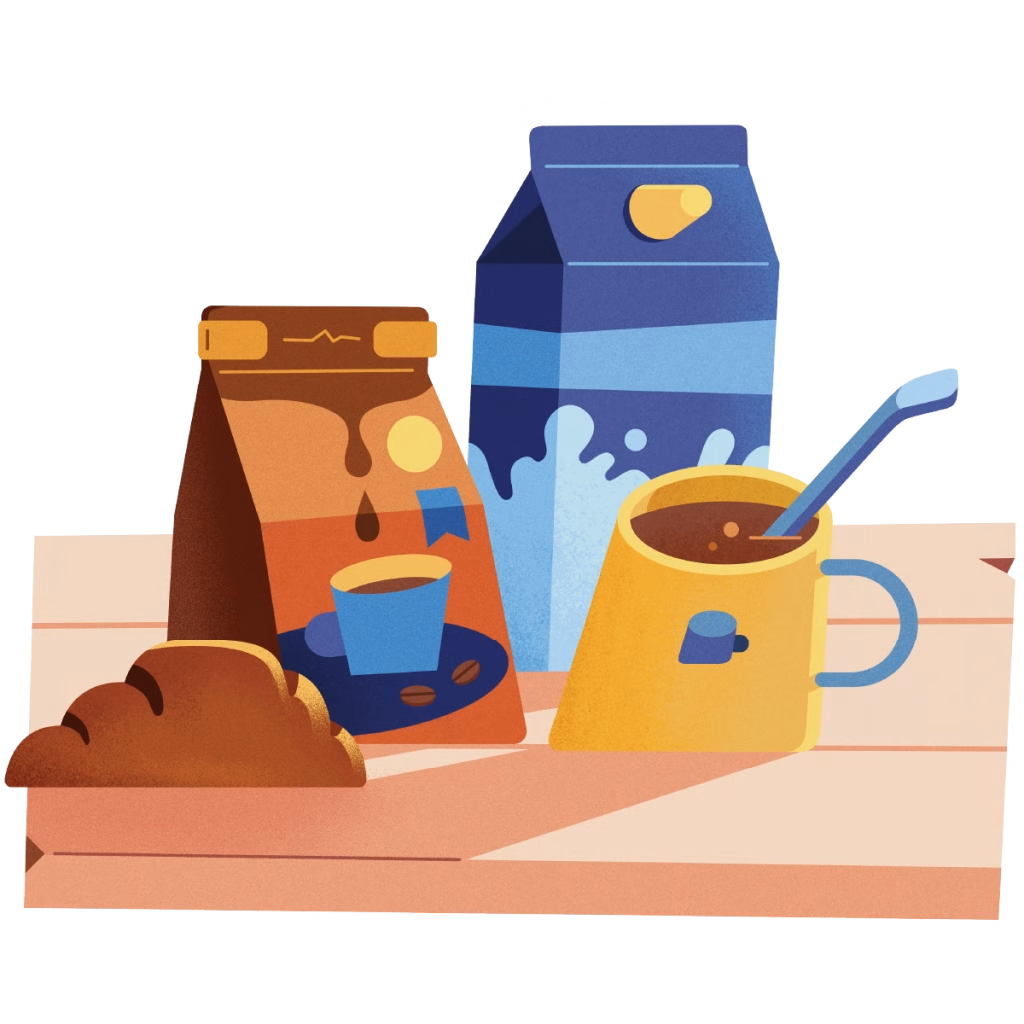
Instant coffee is made by brewing coffee and then dehydrating it into soluble granules that dissolve in hot water. While a patent for a soluble coffee process dates back to 1890 in New Zealand, it was Nescafé’s 1938 launch, developed at Brazil’s request to use up a coffee surplus, that made instant coffee a household name. It tends to taste milder and flatter than fresh-brewed coffee, with a roasty, sometimes bitter edge, though freeze-dried versions have closed the gap.
This collection of illustrations captures the tools, motions, and rituals behind each brewing method, from the rustic simplicity of a campfire pot to the precision of an espresso machine. The clean lines and thoughtful detail are designed to make each method feel distinct, whether it has been around for centuries or just a couple of decades.

READY TO EXPLORE?
If you’re the kind of person who wants to do more than just read about it, and instead wants to truly experience, brew, and celebrate a journey like this one, we’ve got you covered.
Brew your way through all 12 coffee methods, check each one off your list, and celebrate the adventure with a poster of your own.