30.06.2026
9 Cloud Formations


Baked eggs, sometimes called shirred eggs, are cracked into a dish and cooked in the oven until the whites are just set. They are often prepared with cream, cheese, herbs, or tomato sauce baked right alongside them, making them a natural fit for brunch. The method requires minimal hands-on effort and produces a surprisingly elegant result. With a runny yolk, this type of egg is typically served with toast or a toasted baguette.
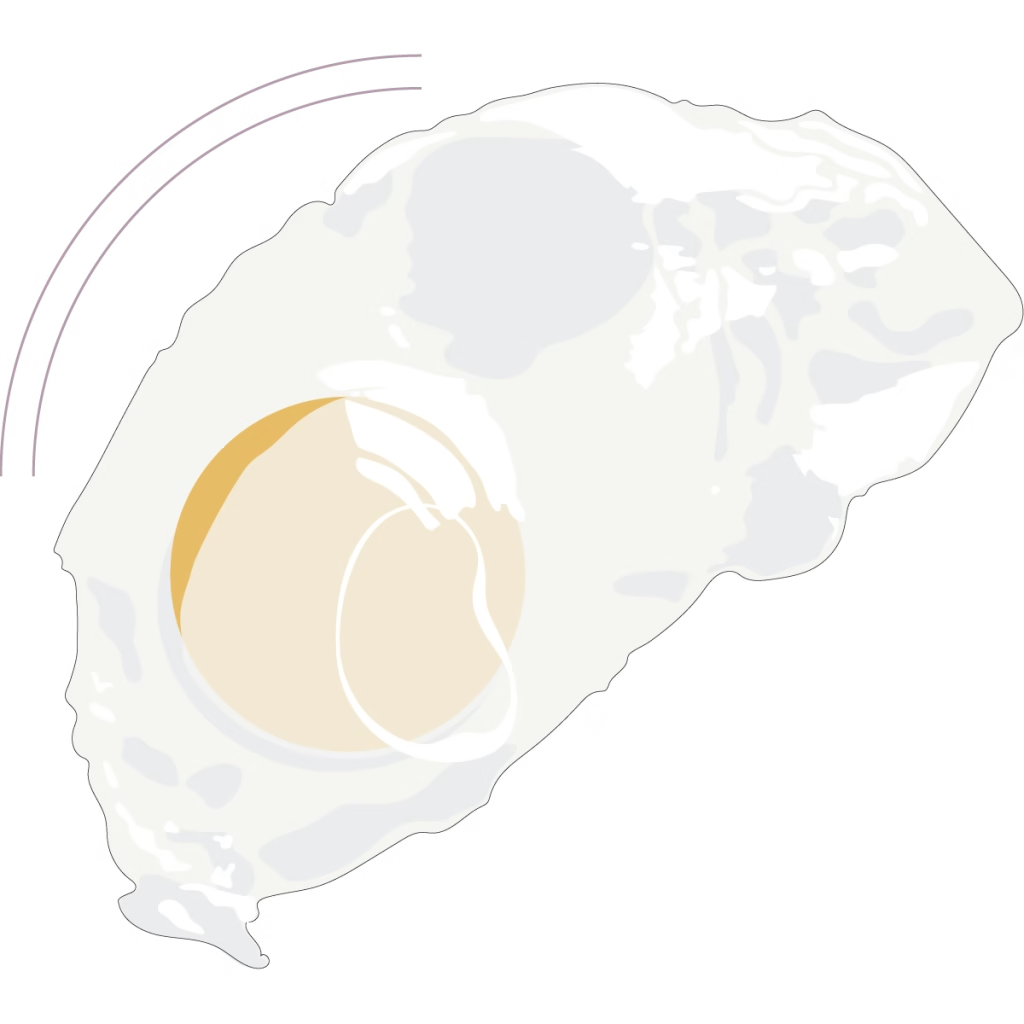
If you’re feeling fancy, try this one. Basting is a hybrid technique: the egg is fried in a pan, then hot fat or a small splash of water is spooned over the top of the egg repeatedly to cook the surface without flipping it. The result is a fried egg with a lightly cooked, slightly glazed yolk, somewhere between sunny side up and over easy in texture. It is common in professional kitchens and gives the cook more control over the final result.
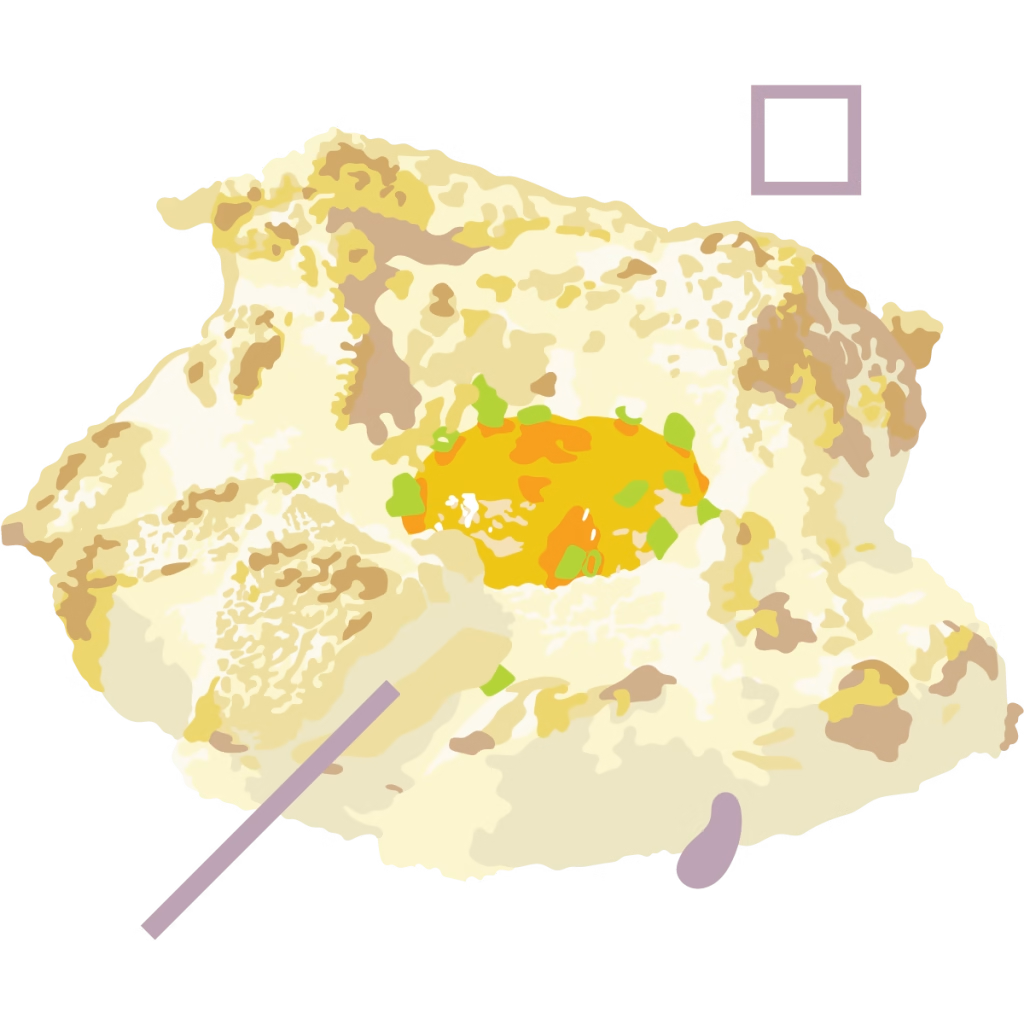
This is a fun one to try! Egg clouds, sometimes called Norwegian eggs or baked meringue eggs, are made by separating the white from the yolk, whipping the white into stiff peaks, mounding it onto a baking sheet, and nestling the yolk in the center before baking. The result is dramatic: a billowy, lightly browned cloud with a soft, warm yolk at its center. The technique went viral online in recent years and reintroduced people to a method that has actually existed for centuries.
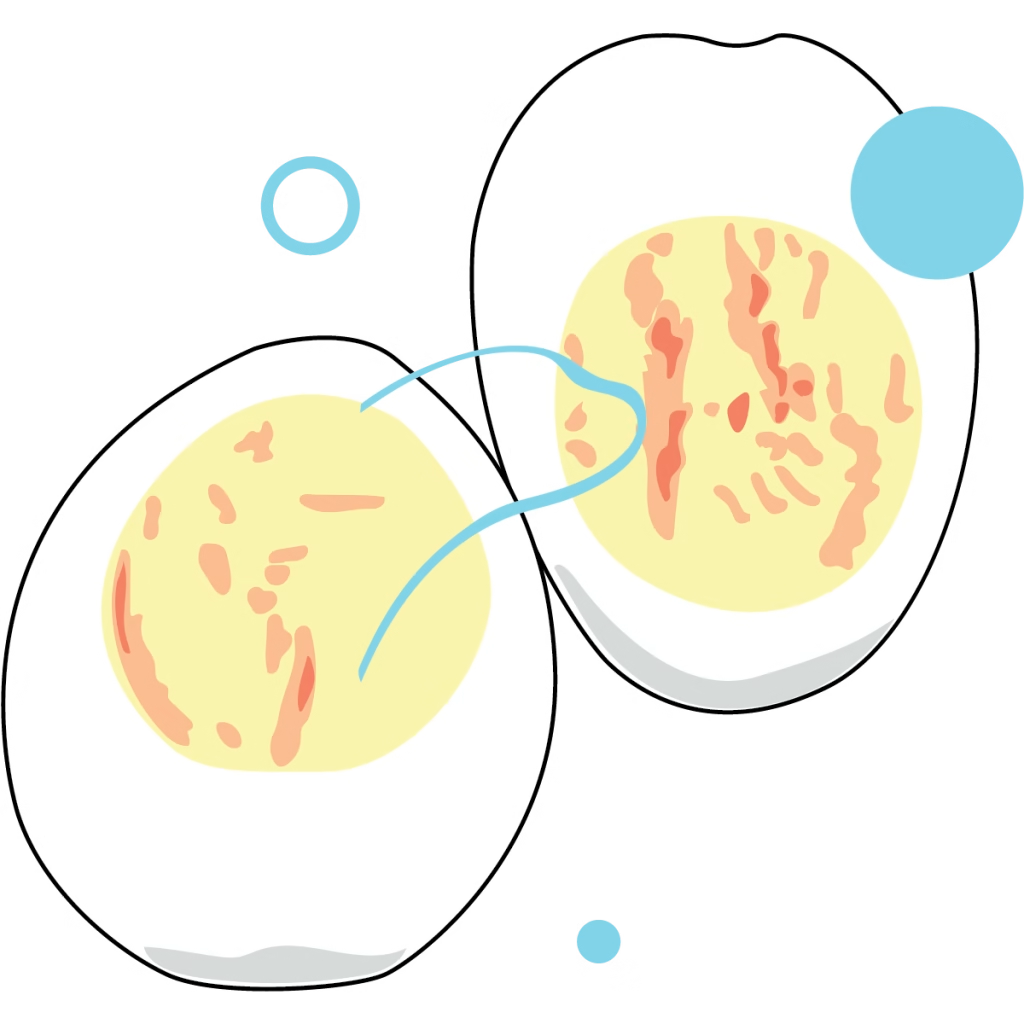
Hard boiled eggs are cooked fully in their shell in boiling water, with both the white and yolk firm throughout. They are one of the most portable and meal-prep-friendly protein sources out there, eaten plain, sliced into salads, or turned into deviled eggs. Interestingly, the green ring that sometimes forms around the yolk is a harmless chemical reaction caused by overcooking.

A classic and delicious breakfast. An omelette is made by beating eggs and cooking them in a pan until just set, then folding or rolling them around a filling, or serving them plain. French omelettes are pale and rolled tight; American-style omelettes are folded in half and often browned. Both are quick, endlessly customizable, and considered a benchmark technique in classic cooking training.

Sunny side up is a fried egg cooked on one side only, never flipped, with a fully runny yolk sitting on top of a set white. The name comes from the appearance: a bright yellow yolk against white, like a sun. It is one of the simplest preparations and one of the most visually iconic. In Pennsylvania, some people refer to this style as “dippy eggs.”

An over easy egg is fried on one side until the white is set, then briefly flipped to cook the second side for just a few seconds. The yolk stays fully runny, making it a favorite for those who want a little dippable richness on their plate. It sits right between sunny side up and over medium on the yolk-doneness spectrum.

Over medium is fried and flipped like over easy, but cooked a little longer on the second side so the yolk is partially set, jammy in the center with no fully liquid runoff. It is the middle ground option for people who want yolk flavor without the mess, and it is what a lot of diners will serve when someone just asks for “eggs fried.”

Over hard is a fully cooked fried egg, flipped and cooked until both the white and the yolk are completely set. There is no runniness at all. It is the reliable, no-fuss choice and holds up well in sandwiches where a broken yolk would be a problem rather than a feature.

A poached egg is cracked directly into simmering water and cooked without its shell until the white is set around a soft, runny yolk. It requires a little practice to get right, but the result is a clean, delicate egg with no added fat from butter or oil. Poached eggs are most famously served atop Eggs Benedict, a brunch dish that has been on menus across America since at least the 1890s.

Scrambled eggs are made by whisking eggs together and cooking them in a pan over heat, stirring as they set. The texture can range from soft and custardy to firm and dry depending on heat and timing. Low and slow is the move for creamy results, while higher heat gives you something more structured. Either way, it is the most common way eggs are eaten in the United States.

A soft boiled egg is cooked in its shell in simmering water, typically for about six minutes, leaving the white fully set but the yolk still runny. It is a staple across European and Asian breakfast traditions and is especially popular served in an egg cup with toast soldiers for dipping. Timing is everything here; a minute over or under makes a noticeable difference.
This collection of illustrations takes one of the simplest ingredients in any kitchen and turns it into something worth looking at. Chiara Giusti’s clean, contemporary visual language gives each cooking method its own identity while keeping the whole set cohesive and playful. Whether you’re just here to settle the over-easy-versus-over-medium debate or you’re genuinely working your way through all twelve, there’s something satisfying about seeing the full picture laid out.

READY TO EXPLORE?
If you’re the kind of person who wants to take the next step and cook an egg using every method on this list, we’ve got you covered.
Cook an egg all 12 ways and celebrate finishing the whole dozen with a poster of your own.